When a tank removal quote arrives as a text message with a price, stop. According to the NJDEP, the state’s rules require something better. What the state requires The NJDEP’s homeowner FAQ says the Underground Storage of Hazardous Substances rules, N.J.A.C. 7:14B, require certified individuals and firms to use fair and reasonable pricing and business […]
Above ground oil tanks, the kind that sit in a basement or beside a house, are handled differently from buried ones. The rules for who may remove them are looser, and it helps to know exactly where the line is. The rule According to the NJDEP’s homeowner FAQ, an above ground oil tank can be […]

It is tempting to hire whoever has the equipment to dig. For an underground heating oil tank in New Jersey, that is not allowed. The state limits who may do the work. The rule According to the NJDEP’s homeowner FAQ, a closure-certified individual working for a closure-certified UST firm is required to remove an underground […]
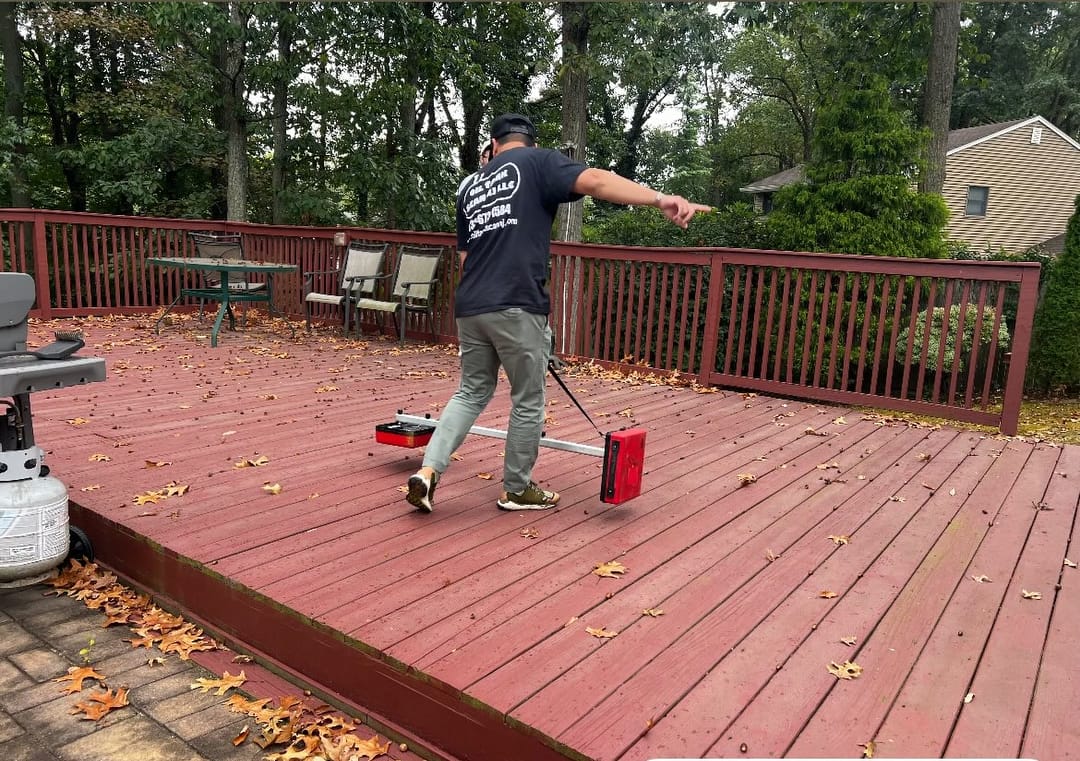
Finding a buried oil tank feels like finding a problem. It is more accurately a piece of information. What you do with it depends on whether the tank has leaked, and that is something you can start to find out in an orderly way. Step 1: Look for signs of a leak Before anything else, […]
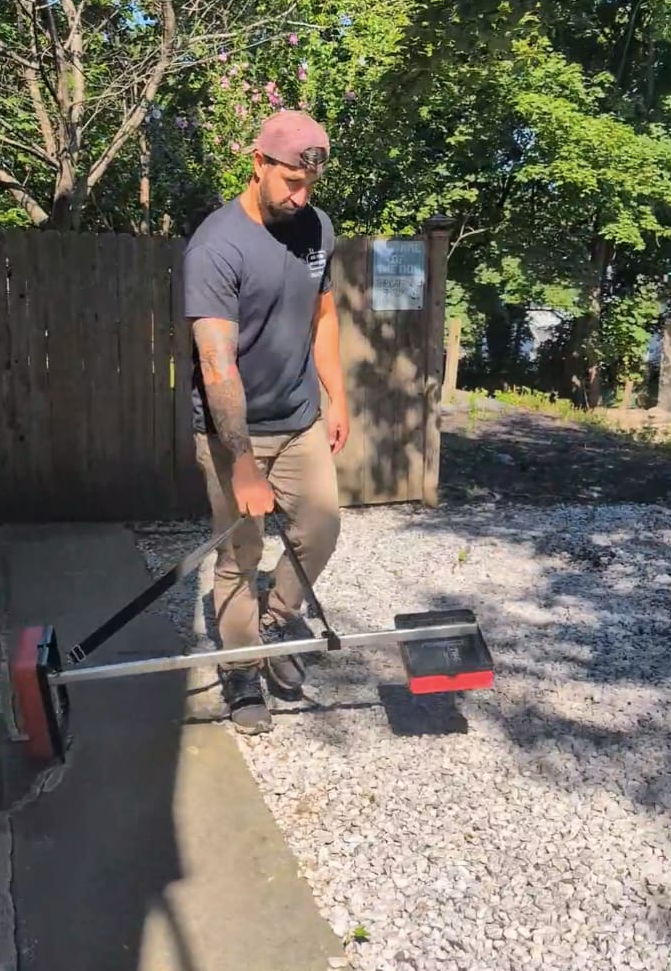
Before you sign a contract to remove an oil tank, verify that the company is allowed to do the work. New Jersey makes this easy, and the check takes a few minutes. Why certification matters According to the NJDEP’s homeowner FAQ, removing an underground heating oil tank requires a closure-certified individual working for a closure-certified […]
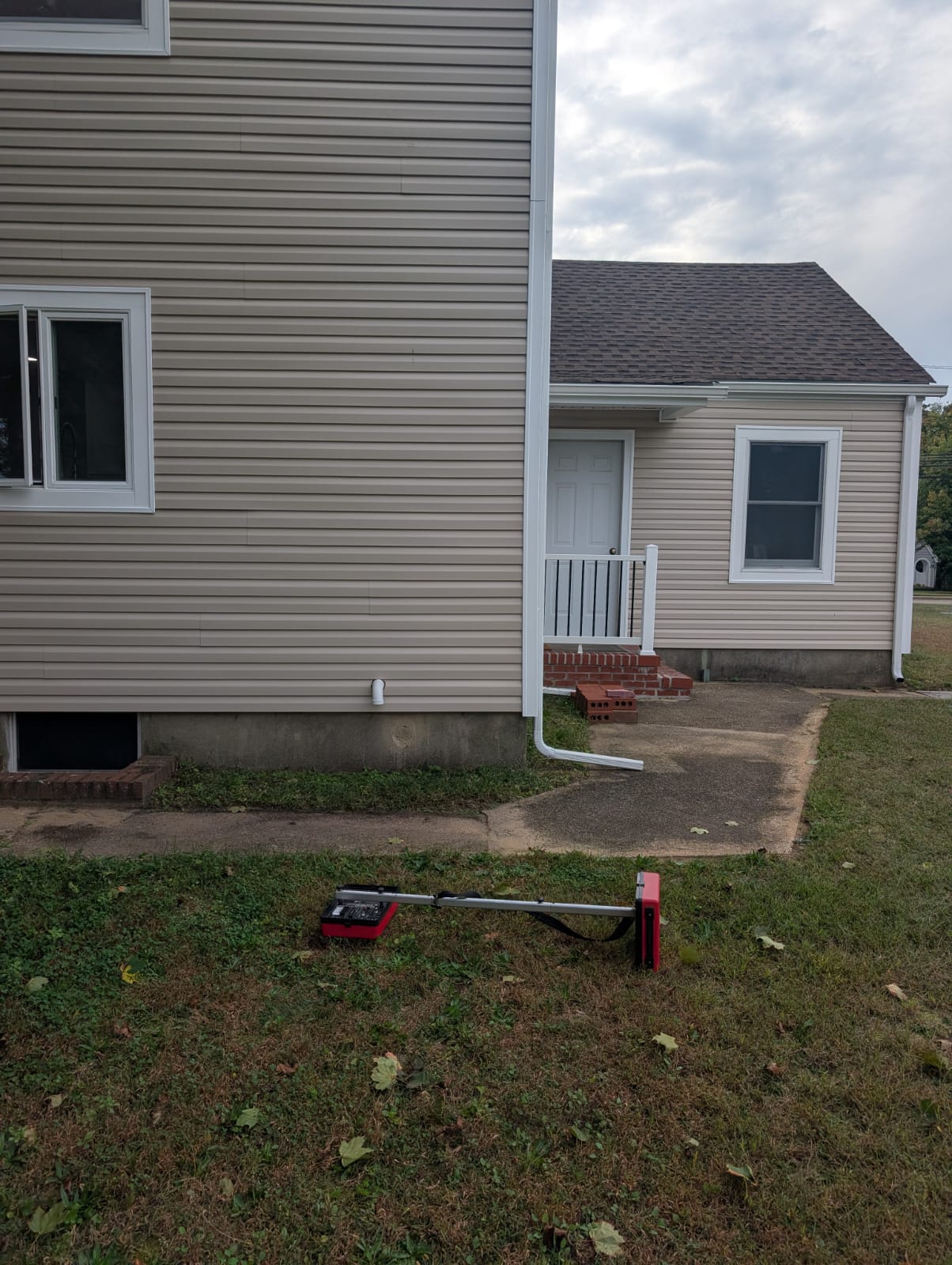
Many leaking oil tanks are found by accident. These are the warning signs listed by the NJDEP in its homeowner guidance. One alone does not prove a leak, but each is a reason to look closer. The nine signs An unexpected jump in oil use. More oil used than the weather or your heating pattern […]
- 1
- 2