
Why Old Oil Tanks Are Left in the Ground After a Gas Conversion

If you want to understand why so many older New Jersey properties have buried oil tanks, look at the day the heating changed.
The conversion day
A homeowner decides to switch from oil to natural gas. The installer removes the burner and the boiler or furnace, connects the new system and leaves. The oil tank, buried in the yard or sitting in the basement, is no longer connected to anything. Taking it out means a permit, a certified contractor, an excavation and a bill, none of which the new heating system needs.
So it often stays. Sometimes the pipes were cut and capped. Sometimes the tank was filled with sand or foam. Sometimes nothing at all was done.
Why it gets forgotten
Years pass. The house sells. The seller’s agent and the buyer’s inspector focus on what they can see. Paperwork from a conversion decades ago is long gone, and a disclosure form can only report what the seller knows. See Selling a Home With an Oil Tank in NJ.
Was it done properly?
Some tanks were abandoned in place under a permit. The NJDEP says that does not guarantee they never leaked, and that it is aware of many cases where such tanks were later removed and contamination was found. See Is It Safe to Leave an Abandoned Oil Tank in the Ground?.
Is it a problem?
Not necessarily. The state says there is no requirement to remove a residential tank when there is no sign of a discharge. But you cannot make an informed choice without knowing whether a tank is there.
How to find out
- Ask previous owners and the municipality for permit records.
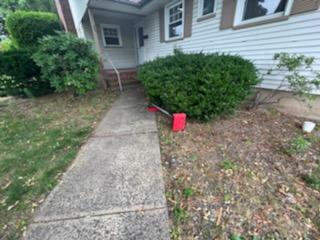
- Look for clues outdoors and in the basement. See clues that a property may have a buried oil tank.
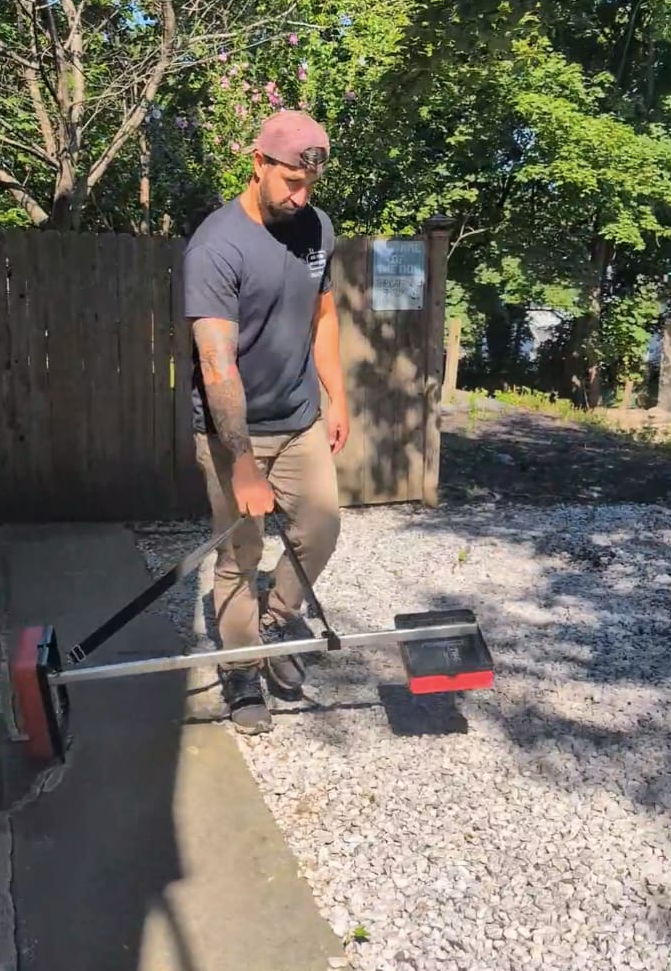
- Have the property checked with a sweep.
Why this matters to buyers
A conversion in the home’s history is a reason to ask about the tank early, ideally before the inspection period ends. See Buying an Older NJ Home: An Oil Tank Checklist.
Oil Tank Scan NJ checks properties across New Jersey. Call 732-673-1584.