- Home
- Oil Tank Removals
Oil Tank Removals
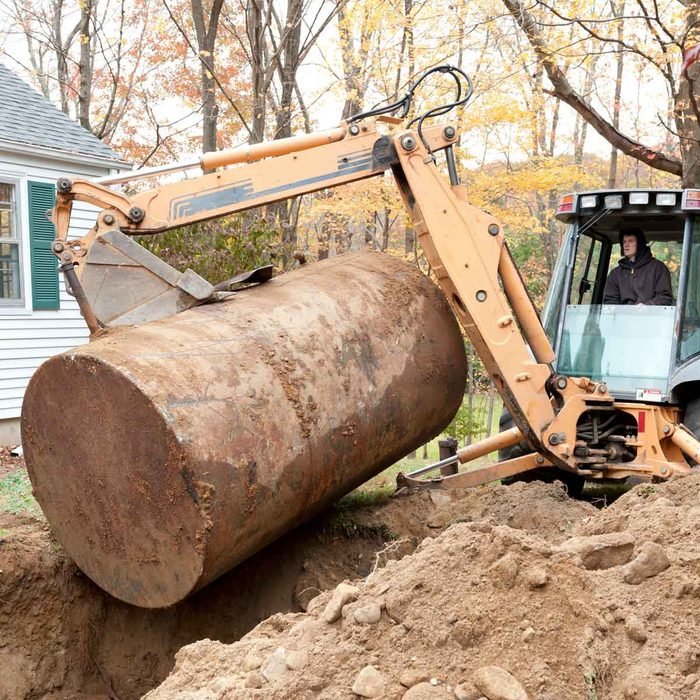
Safe and Reliable Oil Tank Removal Referrals
Underground oil tanks can pose serious environmental and financial risks if left unattended. While we do not perform the actual removals ourselves, we work closely with a trusted network of licensed and reputable companies throughout New Jersey to ensure safe and professional underground oil tank removal services.
If you have any questions let us know
Why Choose Our Referrals?
We partner only with vetted, reputable contractors
End-to-end compliance with New Jersey regulations
Transparent pricing with no hidden surprises
Guidance through the entire removal process
Additional Benefits
- Military and First Responder Discounts
- Fully Insured Services
- Coverage Across All of New Jersey
Contact us today for a referral to one of our trusted oil tank removal partners and get a detailed quote tailored to your property.
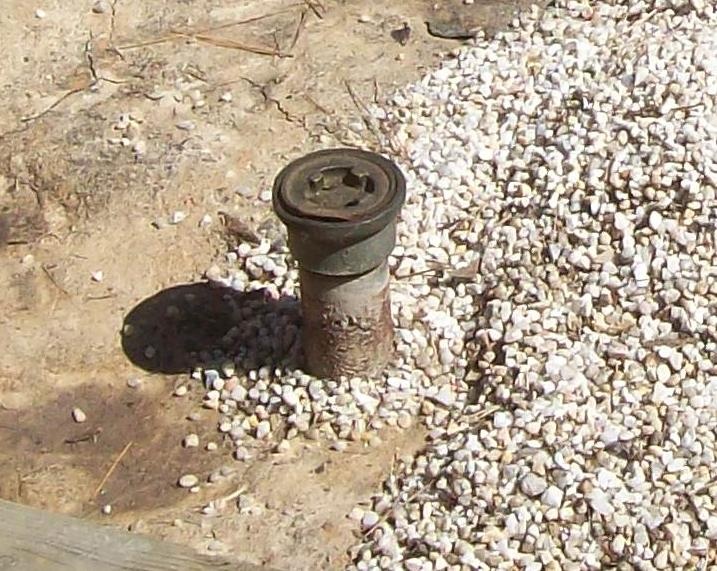
Typical Oil Tank Locations
-
Front yard, backyard, or side yard
-
Often within 15–20 feet of the original furnace
-
Sometimes located much further away—making inspection crucial
Our Other Services
Contact us
Questions about tank removal
Short answers about how our referrals work.
Do you remove the tanks yourselves?
No. We do not perform removals. We refer you to removal companies we work with and can guide you through the steps.
How can I check that a removal company is allowed to do the work?
In New Jersey, removing an underground heating oil tank requires a closure-certified individual working for a closure-certified firm, and you can check this before you sign. Our guide explains how: How to check an NJ oil tank contractor's certification.
I think there is a tank on my property. What should I do first?
Find out whether a tank is really there. A sweep or ground penetrating radar locates it and a small exploratory dig confirms it. Then we can refer you for removal. Our guide: Found a buried oil tank in NJ? What to do next.
How do I ask for a referral?
Call 732-673-1584, email oiltankscannj@gmail.com or use the quote form. Tell us the address and what you know about the tank, and we will point you to a removal partner who can quote the job.