How to Check a Tank Contractor’s Certification in NJ
Before you sign a contract to remove an oil tank, verify that the company is allowed to do the work. New Jersey makes this easy, and the check takes a few minutes.
Why certification matters
According to the NJDEP’s homeowner FAQ, removing an underground heating oil tank requires a closure-certified individual working for a closure-certified UST firm. The requirement comes from the state’s Underground Storage of Hazardous Substances rules, N.J.A.C. 7:14B. A contractor with a general home improvement registration is not enough for underground work.
Use the state’s DataMiner
The NJDEP says you can get a list of certified firms through its DataMiner reports. It suggests exporting the report to PDF or Excel for easier reading. The key column is Cert Type:
- SUBSURFACE EVALUATION means the firm can investigate and oversee cleanup of a leak.
- CLOSURE means the firm may close any underground storage tank.
- HHO CLOSURE means the firm may close heating oil tanks only.
A closure contractor can do remediation work only if it is also certified for subsurface evaluation. If your closure firm is not, you would need to hire another firm for the cleanup if a leak is found.
Also check: does the individual hold the certification?
The rule speaks of a certified individual working for a certified firm, and the individual must be on site. Ask who will be there, and ask to see the individual’s certification.
Check complaints
The NJ Office of Consumer Protection’s Consumer Service Center is the clearinghouse for complaints and can tell you a business’s complaint history. The NJDEP’s FAQ gives the number as (973) 504-6200. For complaints about work done on a tank closure, the NJDEP says to write to UHOT_Info@dep.nj.gov.
Know what the contract must contain
The state rules require a written contract with a clear description of the work, a list of materials and equipment, the personnel, a maximum price that cannot be exceeded without a written amendment, a time frame, and a list of any services that go beyond the legal requirements. We go through these in What Should Be in an Oil Tank Removal Contract in NJ?.
Expired certifications
The NJDEP notes that a certification can be renewed within 90 days after it expires, but during that grace period the person is not certified and may not perform services. If a company’s listing looks expired, ask about it.
You can ask the state to audit the job
The NJDEP says it audits tank removal contractors, and that a homeowner can request that the department audit their removal.
First, do you have a tank?
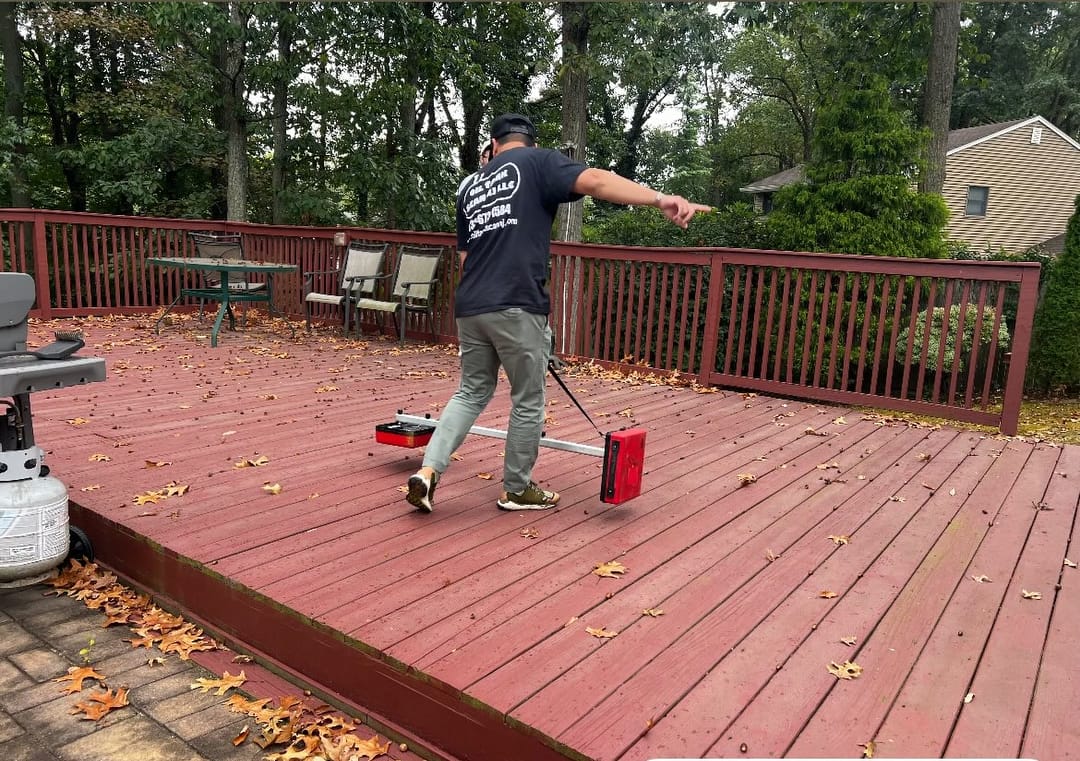
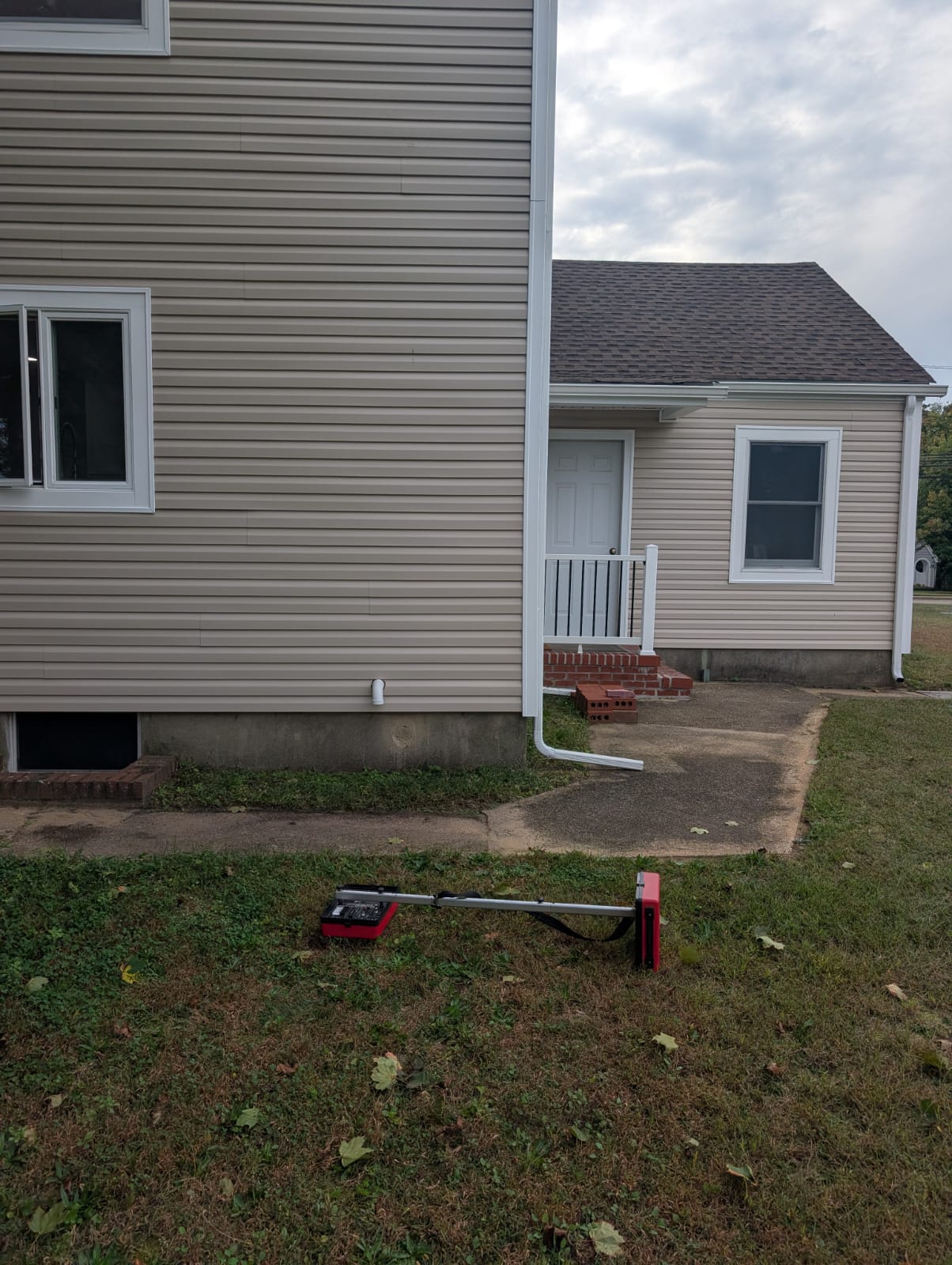
If you are not sure whether there is a tank, you do not need a removal contractor yet. A sweep can locate one. Call Oil Tank Scan NJ at 732-673-1584. For removal, see our removal referrals.