Who Can Remove an Above Ground Oil Tank in NJ?
Above ground oil tanks, the kind that sit in a basement or beside a house, are handled differently from buried ones. The rules for who may remove them are looser, and it helps to know exactly where the line is.
The rule
According to the NJDEP’s homeowner FAQ, an above ground oil tank can be removed by:
- a New Jersey licensed HVACR contractor,
- a New Jersey licensed plumbing contractor,
- the homeowner, or
- a New Jersey licensed DEP contractor.
The department says a contractor who holds only a home improvement contractor (HIC) registration cannot remove an above ground oil tank.
Underground tanks are different
An underground tank needs a closure-certified individual working for a closure-certified firm. See Who Can Remove an Underground Oil Tank in NJ?.
If an above ground tank leaked
The same reporting rules apply as for buried tanks. A discharge must be reported immediately to the hotline, 1-877-WARNDEP (1-877-927-6337). The tank owner has to hire a certified subsurface evaluator or a Licensed Site Remediation Professional to investigate and clean up. For a discharge from an above ground tank, the NJDEP says at least two soil samples are required, though the number depends on the size of the excavation. See when to call the NJ DEP hotline.
Practical tips
- Ask for a written quote that includes disposal of the tank and any remaining oil.
- Ask who handles the oil in the tank.
- Check the contractor’s license for the trade they claim.
- If the tank sits on a slab in a basement, ask how it will be moved out of the house.
Not sure whether you have an above ground or a buried tank?
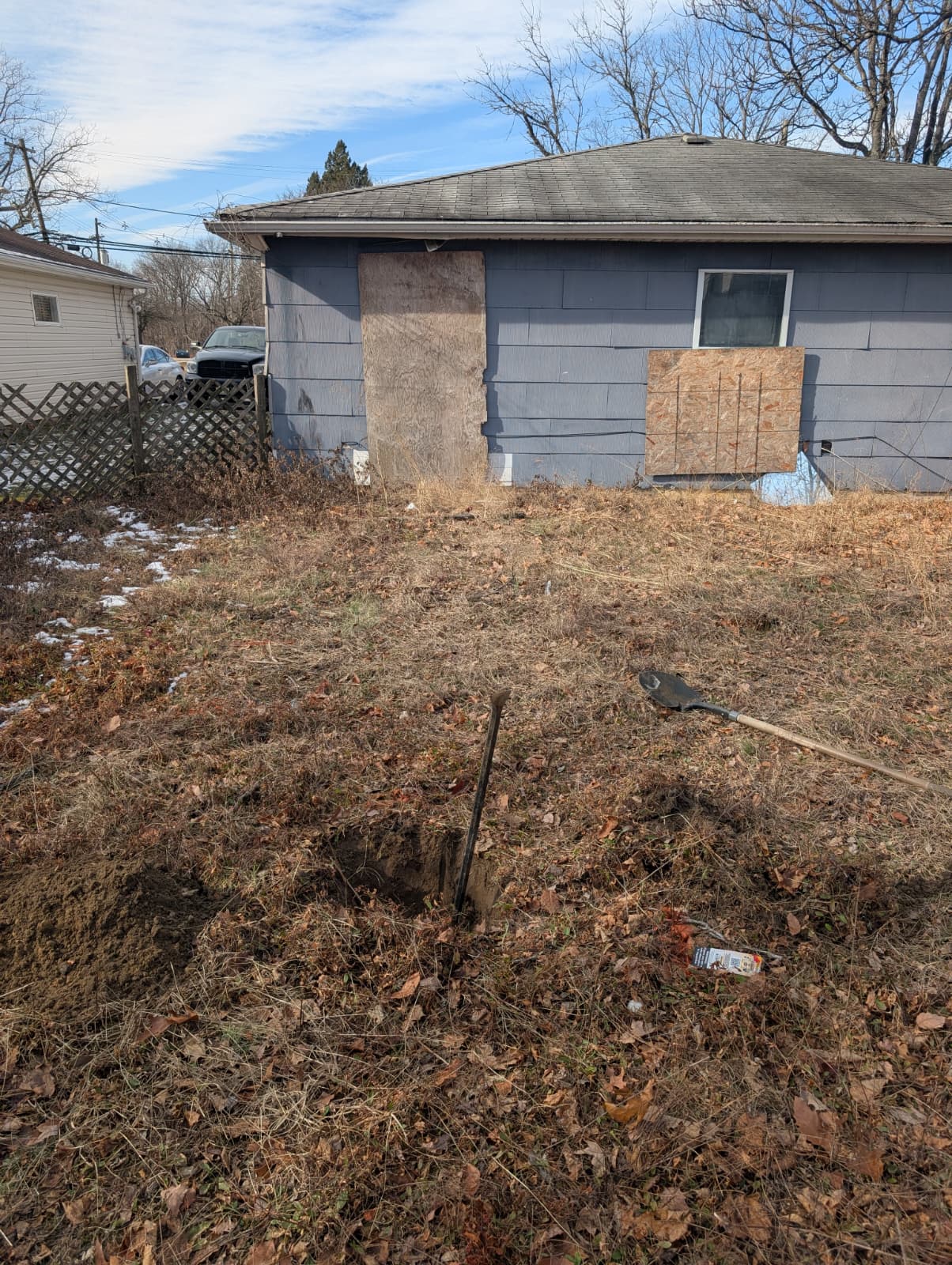
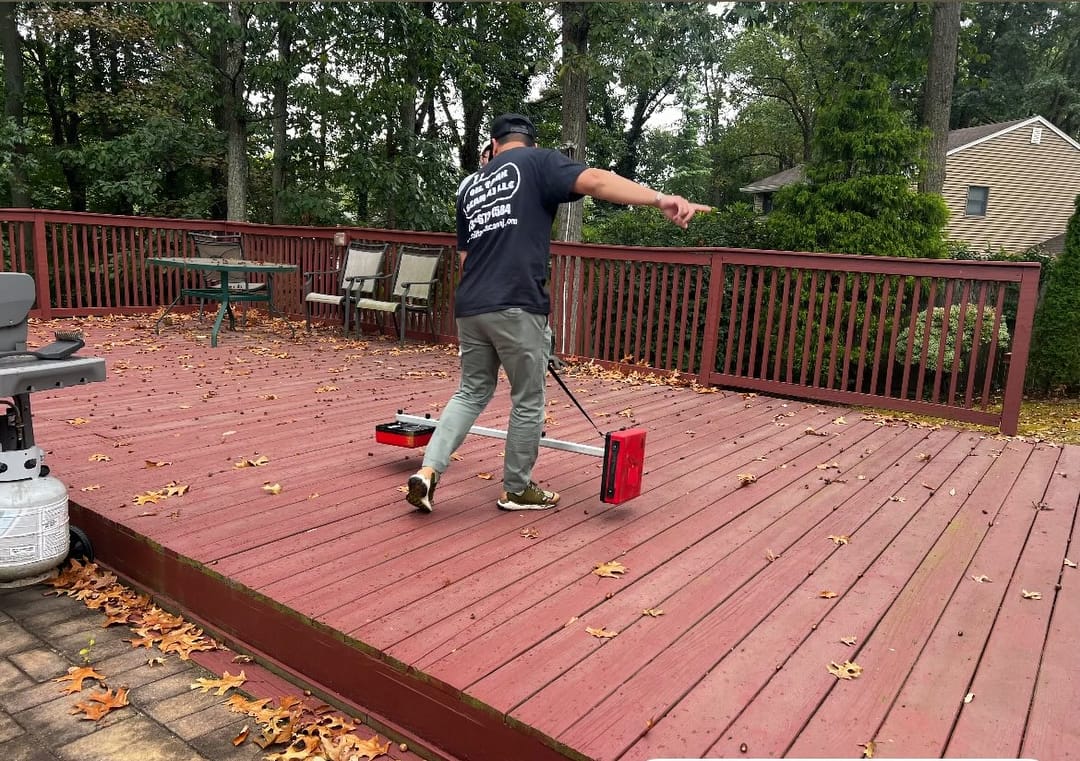
Some properties have both. A sweep checks the yard for buried tanks, and a visit to the basement shows what is inside. Call Oil Tank Scan NJ at 732-673-1584.