Why NJ Real Estate Agents Recommend a Sweep, and Sometimes a Dig
An oil tank can turn a smooth sale into a stressful one, especially when it shows up late. Agents who handle older New Jersey homes tend to learn this early, and many build a tank check into the timeline from the start.
Where a sweep and a dig fit
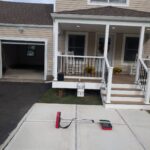
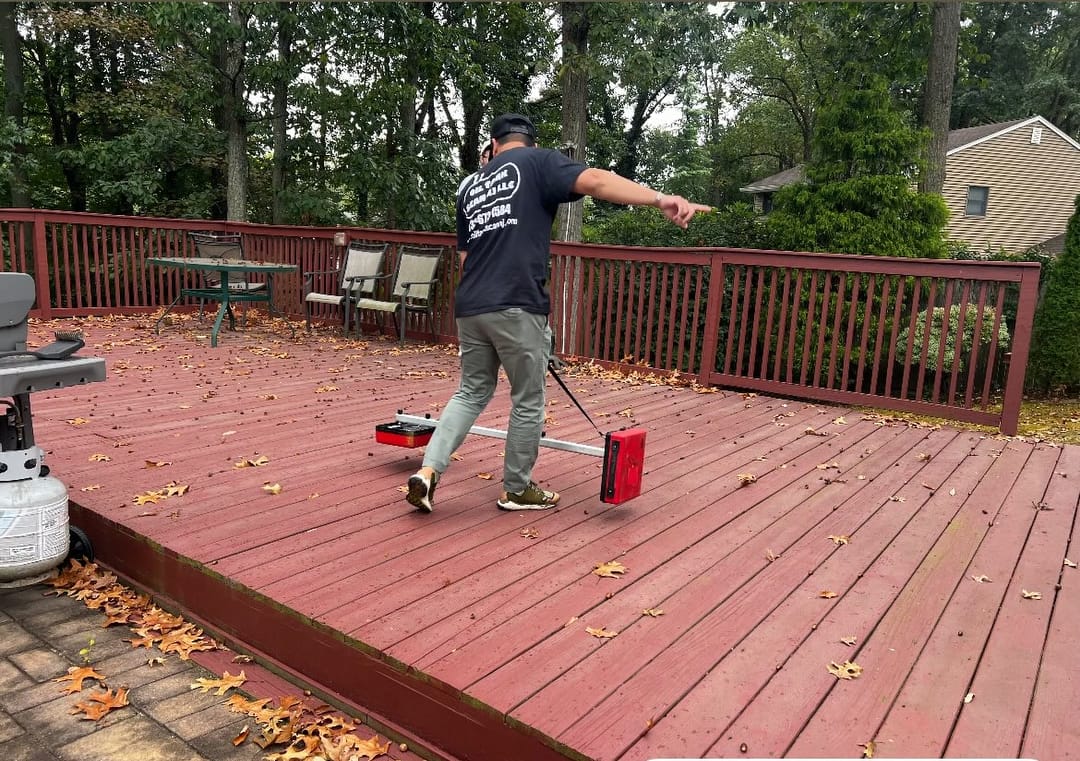
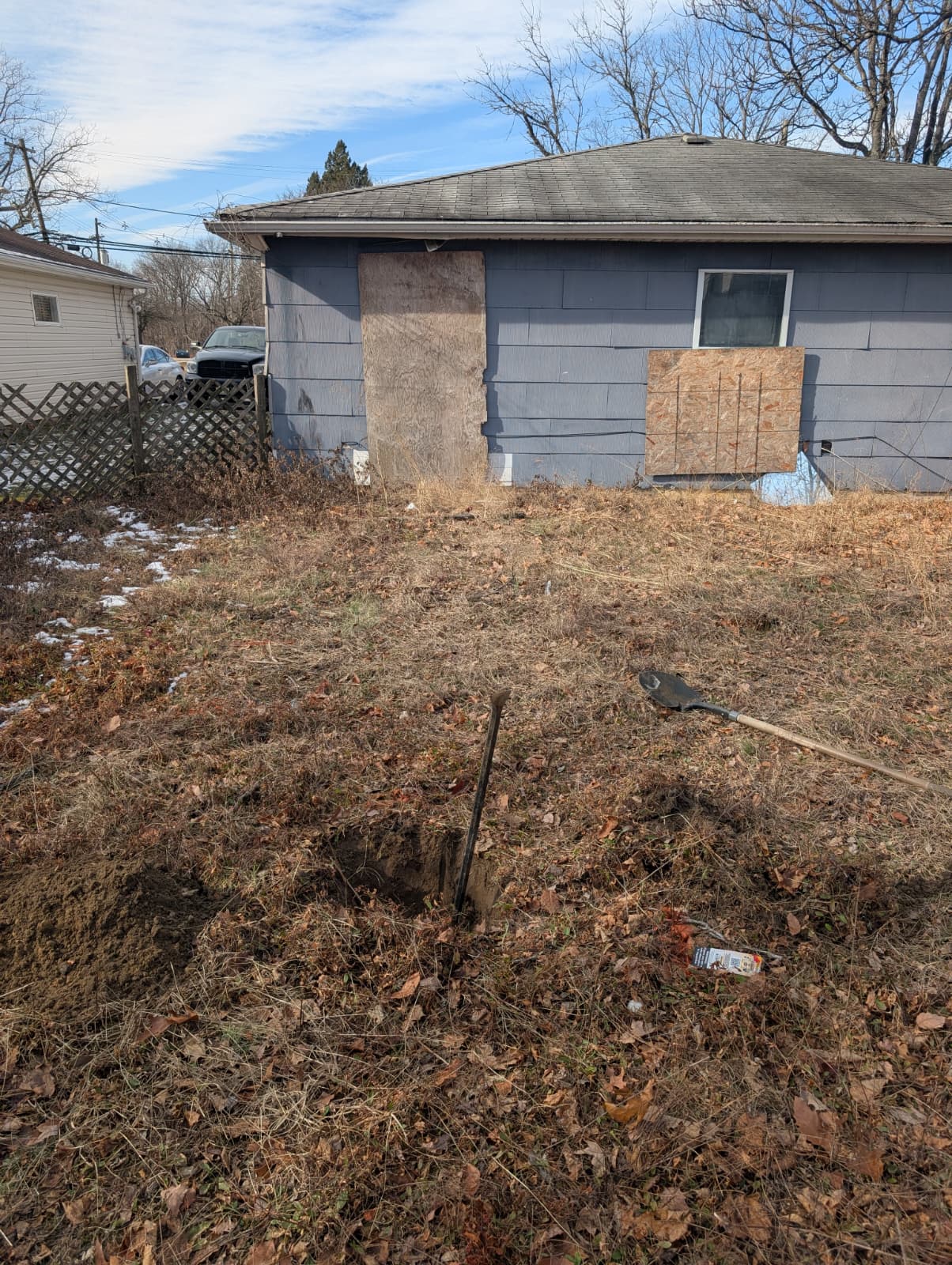
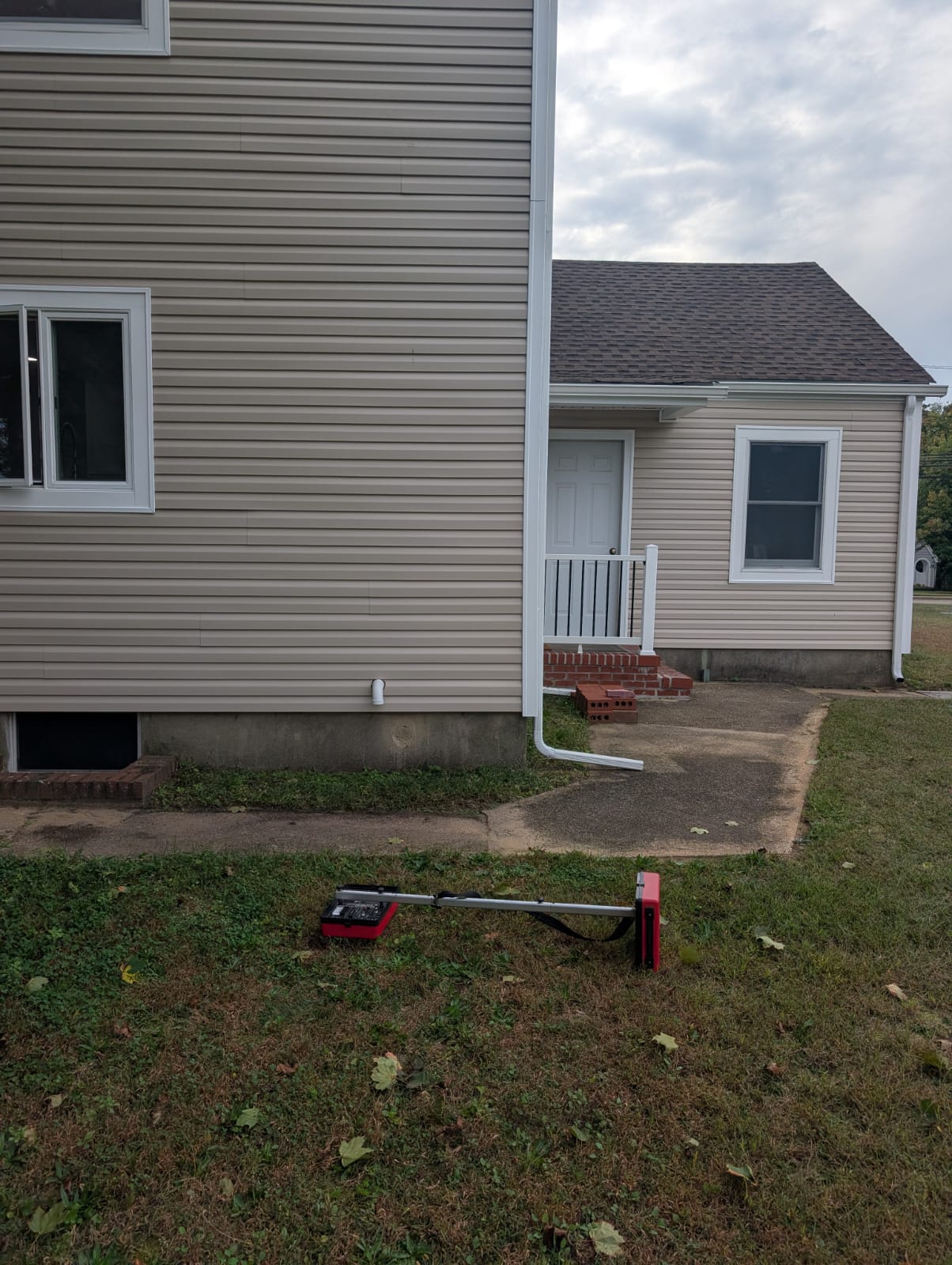
A sweep is the first step. It searches the property with metal detection or ground penetrating radar and reports whether a buried tank is likely. If the result is clear, the question is answered. If the equipment picks up a signal that could be a tank, an exploratory dig opens a small area to see what it is. A dig confirms or rules out the signal. It is not tank removal.
What the seller has to say
New Jersey sellers of residential property complete a Property Condition Disclosure Statement. The state’s instruction sheet from the Division of Consumer Affairs says sellers must answer the required questions before the buyer becomes bound by a contract, and that a seller is obligated to disclose any known material defects even if the printed form does not ask about them. The same sheet reminds buyers to inspect the property and to hire qualified experts.
In practice that means a seller who knows about a tank should say so, and a buyer should not rely on the form alone. You can read the instruction sheet from NJ Consumer Affairs yourself.
Why timing matters
A tank found during the attorney review or inspection period gives everyone room to decide what to do: negotiate, order a dig, plan removal, or walk away. A tank found after closing leaves the new owner with the whole problem. Agents who raise the question early are rarely sorry they did.
A few habits that help
- Ask about heating history in the first conversation on any older home.
- If the house was converted from oil, ask whether there is paperwork for a removal or for an abandonment in place.
- Order the sweep early in the inspection period so there is time for a dig if one is needed.
- Share the written report with the attorneys on both sides.
What the state says about removal
The NJDEP says that if there is no sign of a leak there is no state requirement to remove a residential tank, although removal is often recommended when a home is sold. If a tank is removed and a discharge is found, cleanup is required. Removing an underground tank must be done by a closure-certified individual working for a closure-certified firm.
We work with agents and inspectors across New Jersey. See our page for real estate agents, or call 732-673-1584 to schedule a sweep.