
Why Older NJ Homes Need an Oil Tank Sweep
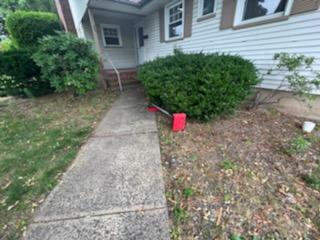
Walk through almost any older New Jersey neighborhood and you will find homes that were heated with oil for decades and later switched to natural gas. The furnace was replaced. The oil tank often was not. Many were left in the ground, sometimes with the pipes cut and capped, sometimes not even that.
That is the reason an oil tank sweep is a common step when buying or caring for an older home.
The tank is often still there
When a heating system is converted, removing a buried tank costs money and digs up the yard, so many owners simply stopped using it. Over the years the property changes hands, the paperwork gets lost, and nobody remembers. The tank does not disappear. It sits there, and so does whatever is in it.
“Abandoned in place” is not the same as “safe”
Some tanks were properly abandoned in place under the building code, with a permit. The NJDEP is clear that this is not a guarantee. In its homeowner FAQ the department says it is aware of many cases where a tank abandoned in place under the Uniform Construction Code was later removed and contamination was found.
Steel buried in soil rusts. Whether a given tank has leaked cannot be answered from the surface, which is why the first question is simply: is there a tank?
The state does not require removal unless there is a leak
This surprises people. According to the NJDEP, residential heating oil tanks are treated as “unregulated heating oil tank systems,” and if there is no indication of a discharge, there is no state requirement that the tank be removed. The department adds that real estate professionals often recommend removal when a home is being sold. If a discharge is found during removal, cleanup is required.
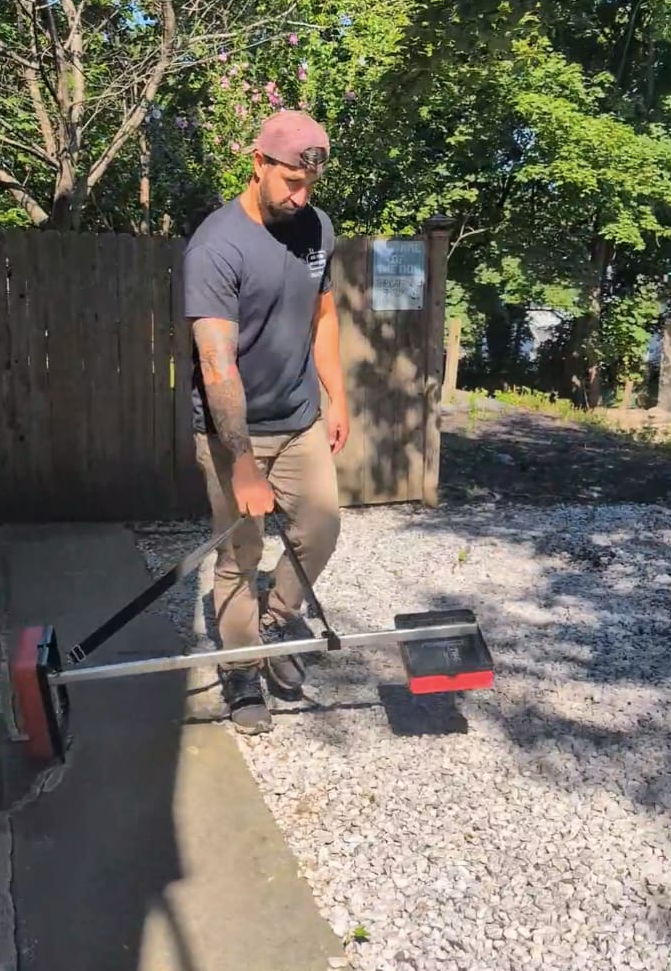
So the practical situation is this. Buyers want to know whether a tank exists before they commit. A sweep answers that without digging up the yard.
Signs that a house may have had a buried tank
You cannot see a buried tank, but houses give hints:
- A pipe sticking out of the ground near the foundation, often a short vent pipe or a capped fill pipe
- Old copper oil lines running through a basement wall or floor and stopping
- A patched or newer section of concrete in a basement near where a tank may have been connected
- A house built long before natural gas arrived on the street, now heated by gas or electric
- A sale or inspection history that mentions an “oil to gas conversion” with no tank removal paperwork
None of these proves a tank exists, and a lack of them does not prove it does not. That is the job of a sweep.
What to do
If you are buying an older home, ask the seller for any tank records and tell your attorney and agent early, because it is easier to deal with a tank before closing than after. If you already own an older home and have never checked, a sweep is a one-time visit that settles the question.
Oil Tank Scan NJ performs sweeps across New Jersey. Call 732-673-1584 or book online.