Why Finding an Oil Tank Early Matters
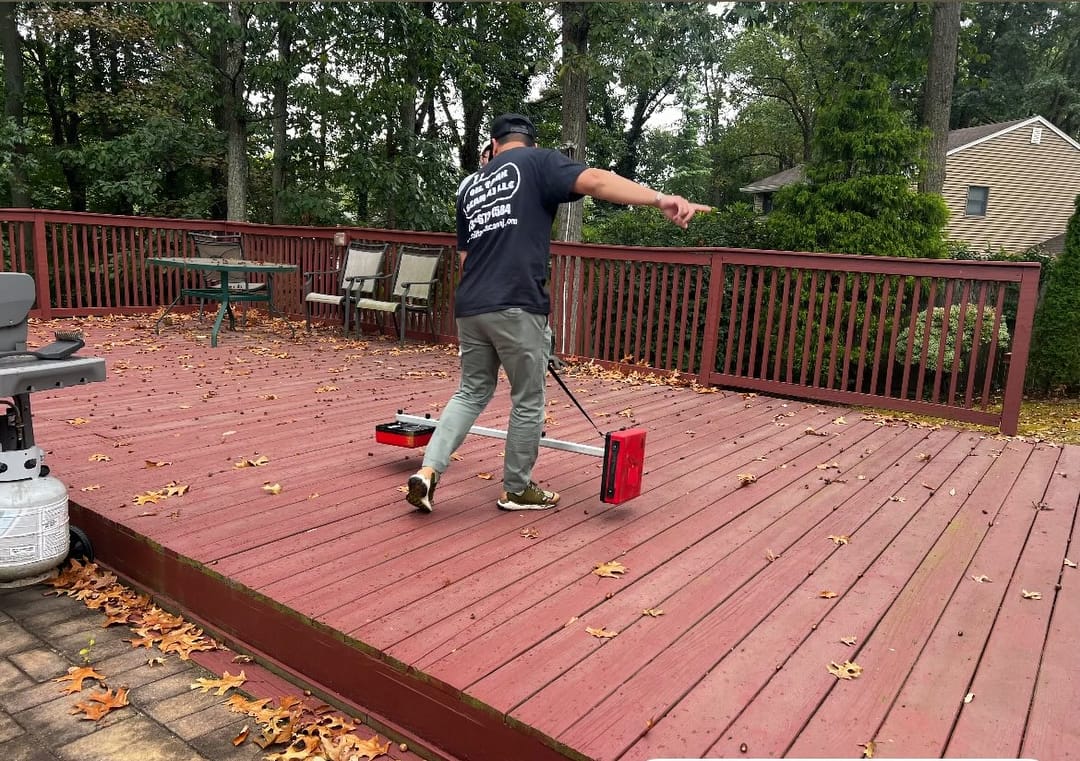
There is no way to know the condition of a buried tank by looking at the lawn. That is the reason timing matters. Learning about a tank early, before closing and before any problem appears, gives you choices that you may not have later.
What a leak looks like
The NJDEP lists signs that a heating oil tank may be a problem. They include a sudden increase in oil use that does not match the weather, water in the tank, burner problems, stressed or dead vegetation over and around the tank, oil odors in a basement or utility room, oil staining on basement walls or floors, oil or sheen in a sump or French drain, and problems with the taste or smell of well water.
A tank with none of these signs may be fine. But the signs usually appear after a problem has started, which is another reason people prefer to learn about a tank early.
What the law expects if there is a leak
If a discharge is found, the state expects action quickly. According to the NJDEP, the department must be notified immediately, within 15 minutes of discovery, through the 24-hour hotline, and the homeowner or the contractor can make the call. The tank owner must then hire a certified subsurface evaluator or a Licensed Site Remediation Professional to investigate and clean up.
Cleanup follows set rules. For an underground tank, at least five soil samples are required, one on each sidewall and one at the base, and groundwater has to be investigated when the tank is within two feet of groundwater or bedrock or within the seasonal high water table. When the work meets the rules, the NJDEP issues a No Further Action letter.
Why early knowledge helps
If you find out about a tank during a purchase, you can negotiate, plan removal, or choose another house. If you find out after closing, those options are gone. If you find it long before any leak, you can remove it on your schedule instead of in an emergency.
Cost
How much a cleanup costs depends on how far oil has spread, and no honest article can give a single number. What we can say is that the NJDEP’s rules also cover state funding, and that the department says the fund for leaking residential tanks has a long wait for new applications. If you are counting on help, read the current information on the NJDEP homeowner FAQ.
The simple version
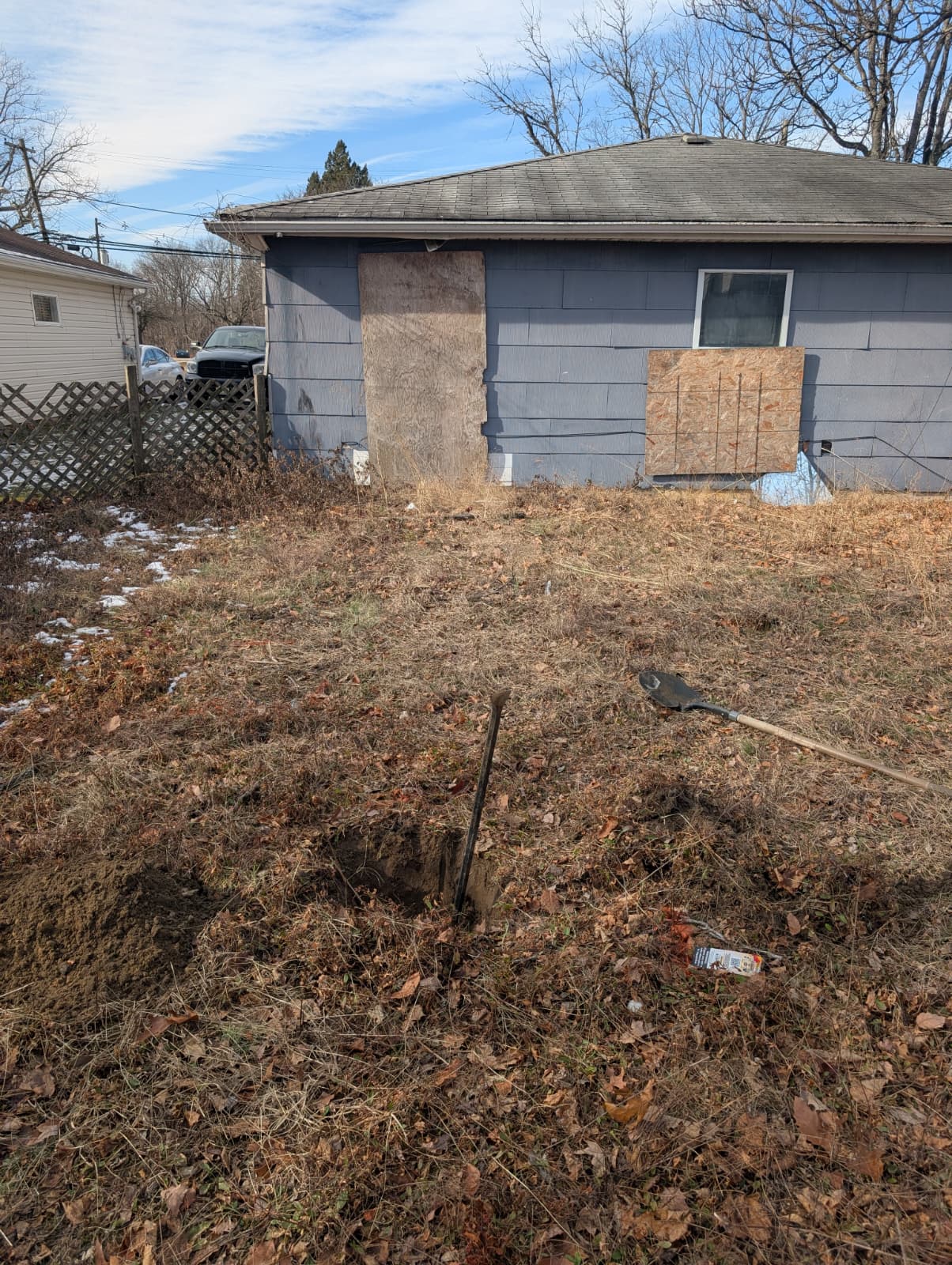
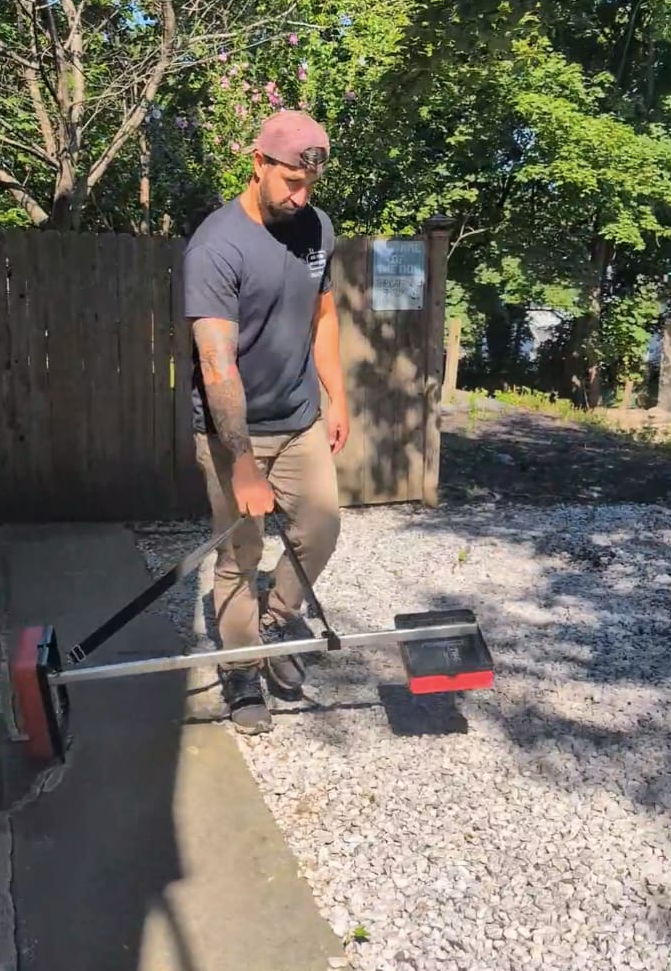
A sweep tells you whether a tank exists. An exploratory dig confirms what a signal is. Neither fixes a problem. Both give you information while you still have choices.
Call Oil Tank Scan NJ at 732-673-1584 to schedule a sweep anywhere in New Jersey.