The Hidden Dangers of Leaving an Abandoned Oil Tank Underground in New Jersey
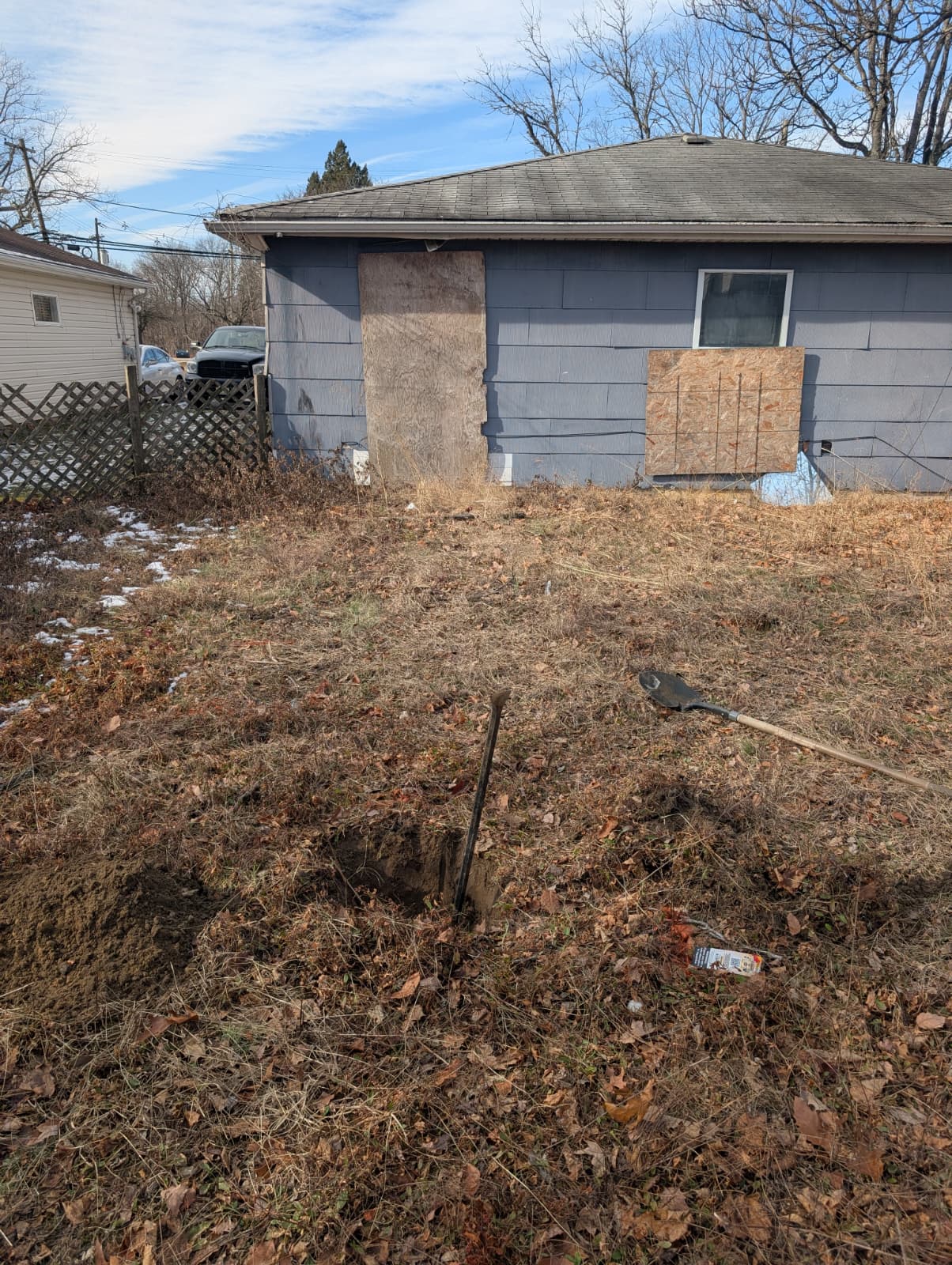
Many New Jersey homes—especially those built before the 1980s—once relied on underground oil tanks (USTs) for heating. As natural gas became the preferred heating choice, many homeowners switched systems—but left their old oil tanks buried underground. These abandoned tanks are not harmless relics of the past. In fact, they pose serious environmental, financial, and legal risks that can surface without warning.
Understanding the hidden dangers of leaving an abandoned oil tank underground can help homeowners protect their property, their investment, and their peace of mind.
What Makes Abandoned Underground Oil Tanks Dangerous?
Over time, steel oil tanks corrode due to soil moisture, temperature changes, and age. This corrosion weakens the tank walls, eventually causing leaks that lead to contamination. Most homeowners are unaware of the problem until it becomes severe.
Here are the top risks associated with abandoned underground oil tanks in NJ:
1. Soil Contamination
Leaking oil seeps into the surrounding soil, contaminating the ground and creating long-term environmental hazards. Contaminated soil becomes unsafe and may require extensive remediation.
2. Groundwater Pollution
In severe cases, oil can spread beyond the immediate area and enter groundwater sources. This can affect nearby properties, wells, and even municipal water systems—leading to major legal and environmental consequences.
3. Costly Environmental Cleanup
Cleanup costs for leaking oil tanks can range from $10,000 to $50,000 or more. The longer the leak goes unnoticed, the more expensive the remediation becomes. Without detection, a small leak can quickly turn into a financial disaster.
4. Real Estate Transaction Problems
When selling a home in New Jersey, hidden or abandoned oil tanks are one of the top reasons real estate deals fall apart. Buyers, lenders, and attorneys often require documentation confirming that no underground tank exists. A leaking or undocumented tank can delay or completely derail the closing.
5. Legal and Insurance Liability
New Jersey law holds property owners responsible for any environmental damage caused by their oil tank—even if the tank was buried decades before they purchased the home. Additionally, most homeowners insurance policies do NOT cover leaking underground oil tanks or cleanup costs.
6. Decreased Property Value
Homes with undocumented or abandoned oil tanks often lose value. Buyers fear the risk of hidden contamination and future expenses. Removing or addressing the issue early helps preserve the home’s market value.
7. Structural Damage Risks
In some cases, corroded tanks collapse, creating sinkholes or structural instability in patios, driveways, and yards. This can create safety hazards around the property.
Why Early Detection and Removal Matters
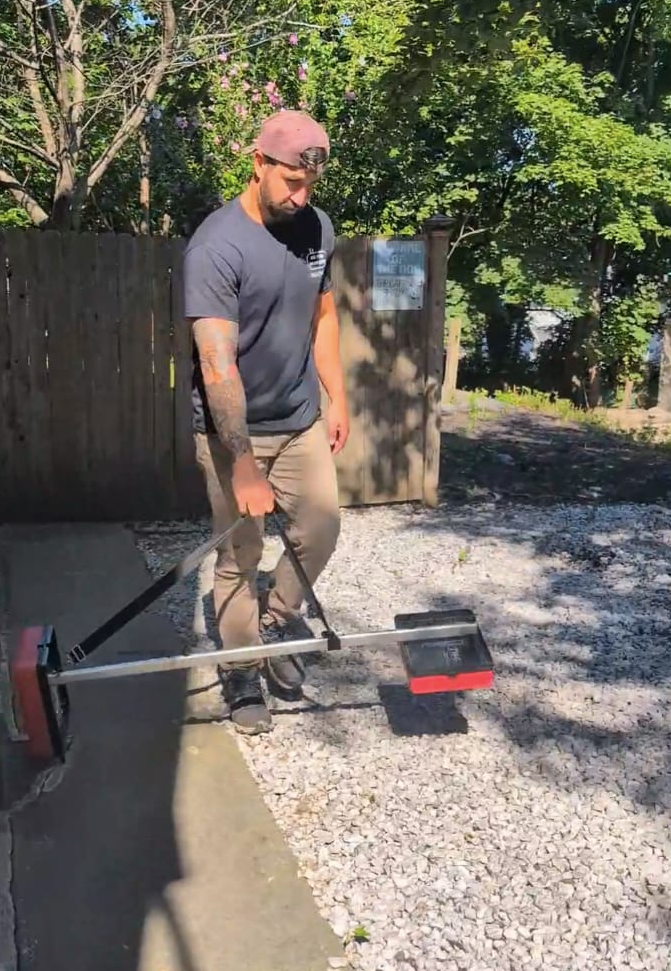
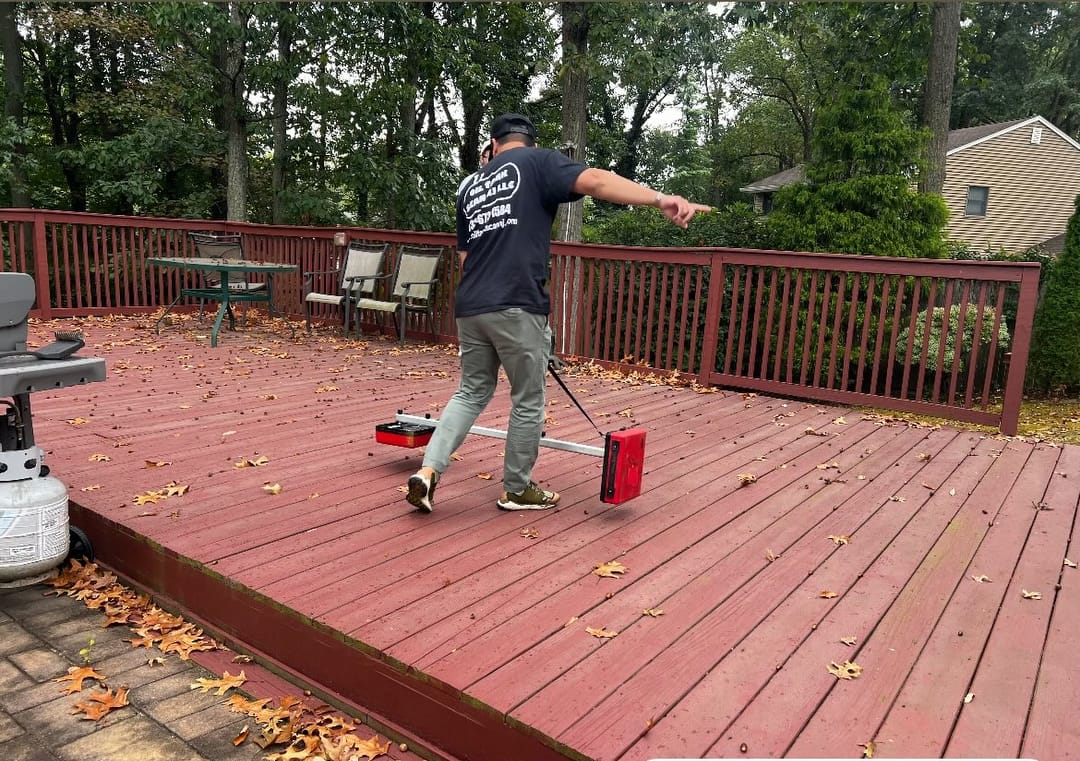
The best way to avoid these risks is to locate and address abandoned oil tanks early. Professional oil tank sweeps using industrial metal detectors can confirm whether a tank is present. If detected, further steps such as exploratory digging, removal, or soil testing may be needed.
Taking action early protects both your property and your financial well-being.
Conclusion
An abandoned underground oil tank is more than an old piece of metal—it’s a potential environmental hazard and financial liability. New Jersey homeowners should never assume a tank is harmless just because it has been buried for years. With proper inspection and timely removal, you can avoid costly surprises and ensure your home remains safe and compliant.
Frequently Asked Questions (FAQs)
Q: How do I know if my property has an abandoned underground oil tank?
A: Professional metal detector sweeps are the most accurate method. Surface signs such as old pipes, dead vegetation, or sunken soil may also indicate a tank.
Q: Can I leave an abandoned oil tank underground if it’s not leaking?
A: This is risky. Tanks can leak at any time, and most NJ buyers, lenders, and attorneys require documentation or removal.
Q: How much does cleanup cost if a tank leaks?
A: Cleanup can range from $10,000 to more than $50,000, depending on contamination severity.
Q: Does homeowners’ insurance cover leaking tanks?
A: Most insurance policies do NOT cover leaks or environmental cleanup from underground oil tanks.
Q: Is tank removal required by law in New Jersey?
A: If a tank is leaking, removal and remediation are required. For non-leaking tanks, removal is strongly recommended to avoid future liability.