How an Oil Tank Sweep Works, Step by Step
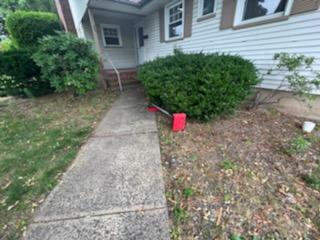
If you have never had a sweep done, it can feel mysterious. In practice it is a methodical walk over the property with detection equipment. Here is the usual sequence.
1. A few questions first
The technician asks about the house: age, heating history, whether there was ever an oil burner, and anything you have noticed, such as a pipe in the ground or old lines in the basement. If you have old records or a survey, bring them.
2. A look at the property
Before using equipment the technician walks the lot and the basement entry points. Fill and vent pipes, patched concrete, capped lines and changes in the ground surface all point to places to focus.
3. Searching with equipment
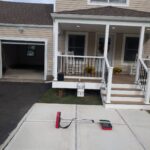
The technician covers the area in a pattern, using metal detection and, where appropriate, ground penetrating radar. Metal detection picks up steel. Radar images what is below the surface and can also show objects that are not metal. Each method has strengths and blind spots, which is why companies often combine them. See Ground Penetrating Radar vs. Metal Detector for Oil Tanks.
4. Marking and checking signals
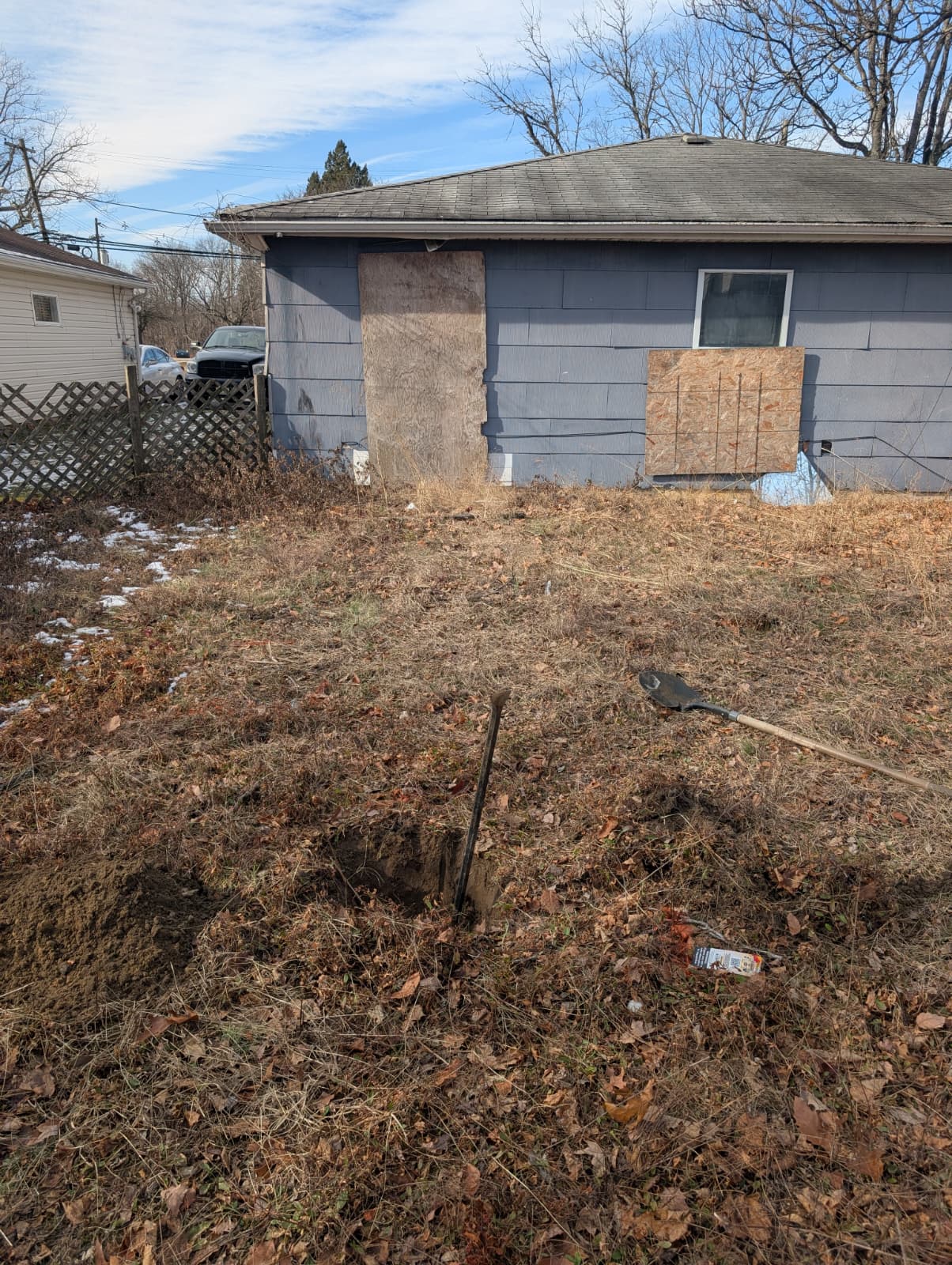
When the equipment responds, the technician marks the spot, then checks around it to judge the size and shape. A long pipe, a small piece of metal and a tank-sized object behave differently.
5. Working around obstacles
Fences, vehicles, rebar, buried utilities, decks and thick brush can interfere with equipment or block access. A careful technician notes what could not be searched instead of ignoring it.
6. The result
Three outcomes are common: no sign of a tank; a clear tank; or a signal that needs to be identified. In the last case the next step is an exploratory dig.
7. The written report
Afterward you receive a written report with the findings, so you can share it with your attorney, agent or lender. More on this in What Should an Oil Tank Sweep Report Include?.
How to help
Clear access to the yard and the basement helps. See How to Prepare Your Property for an Oil Tank Sweep.
Learn more about our oil tank sweep service or call 732-673-1584.