When people learn what a cleanup might involve, the next question is whether the state helps pay. There is a fund. It is important to read what the state says about it before counting on it. What the fund is According to the NJDEP’s homeowner FAQ, the Petroleum Underground Storage Tank Remediation, Upgrade and Closure […]

There is no single answer, because policies differ. What the state tells homeowners to do is simple: ask before you start. What the NJDEP advises In its homeowner FAQ the department says it is beneficial to determine whether your insurance covers the tank removal or any potential third-party impact. It suggests contacting the insurance company […]
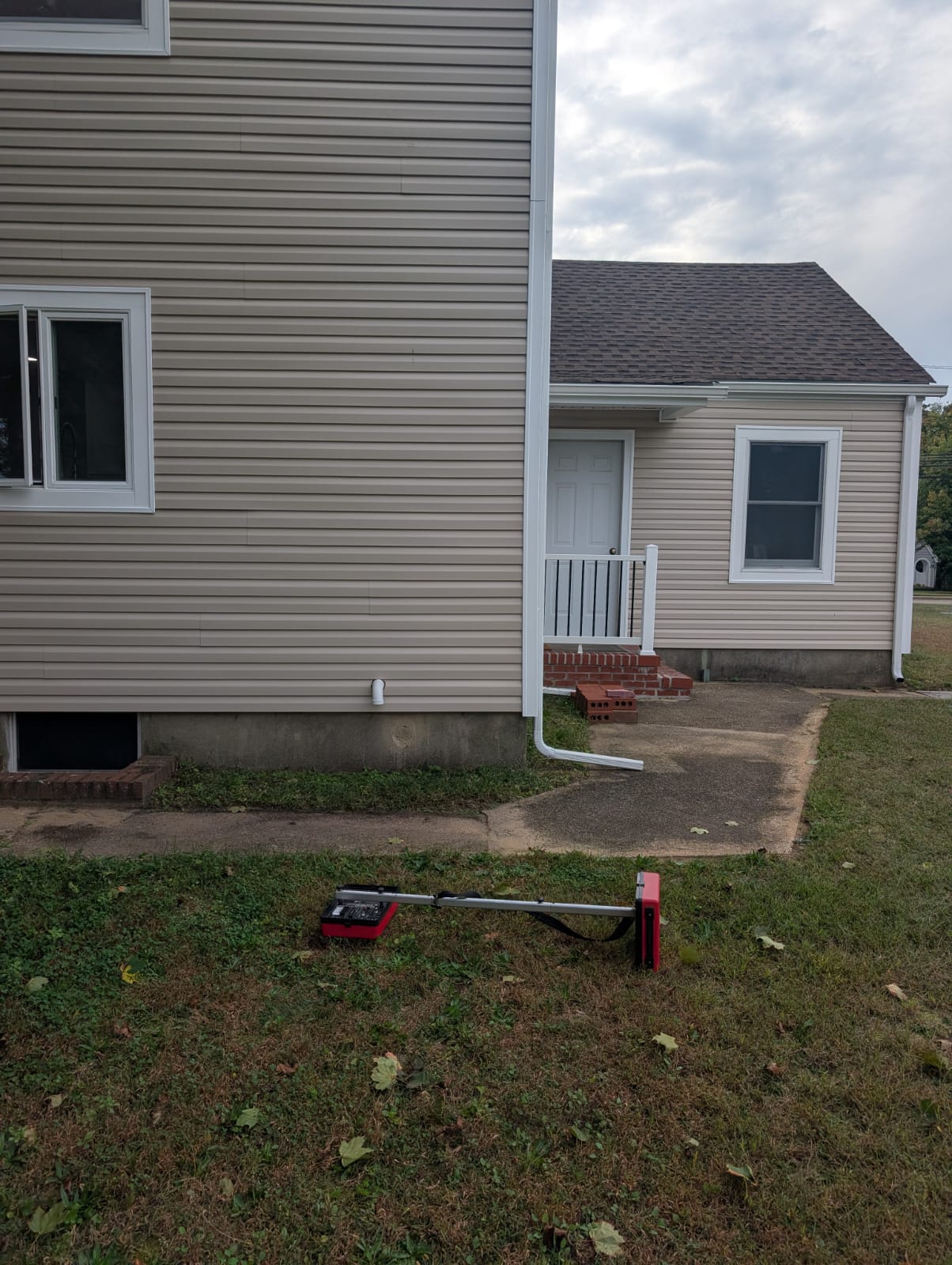
This is the question we hear most. The answer from the state is more relaxed than most people expect, and the real-world answer is a little different. What the state says According to the NJDEP’s homeowner FAQ, heating oil tanks that serve residential buildings are considered unregulated heating oil tank systems. The program does not […]
Before you buy, or before you sell, you can look up whether the state has a record of an oil tank problem at an address. The NJDEP explains how in its homeowner FAQ. Search by address The department says you can search its records by street address using its DataMiner report. After the report runs, […]
If you have heard “get the NFA” in a real estate conversation, here is what it means. What it is A No Further Action letter, or NFA, is the NJDEP’s confirmation that the cleanup of a heating oil tank discharge met the state’s requirements. According to the department’s FAQ, it closes out the incident that […]
Most oil tank problems are not emergencies. A confirmed discharge is different, and the state sets a short deadline for reporting it. The number The NJDEP’s hotline is 1-877-WARNDEP (1-877-927-6337). The department lists it as available 24 hours a day and toll free. The deadline According to the NJDEP’s homeowner FAQ, when a discharge is […]
When a tank removal quote arrives as a text message with a price, stop. According to the NJDEP, the state’s rules require something better. What the state requires The NJDEP’s homeowner FAQ says the Underground Storage of Hazardous Substances rules, N.J.A.C. 7:14B, require certified individuals and firms to use fair and reasonable pricing and business […]
Above ground oil tanks, the kind that sit in a basement or beside a house, are handled differently from buried ones. The rules for who may remove them are looser, and it helps to know exactly where the line is. The rule According to the NJDEP’s homeowner FAQ, an above ground oil tank can be […]
It is tempting to hire whoever has the equipment to dig. For an underground heating oil tank in New Jersey, that is not allowed. The state limits who may do the work. The rule According to the NJDEP’s homeowner FAQ, a closure-certified individual working for a closure-certified UST firm is required to remove an underground […]
If your home was heated with oil at any point, expect the question of a tank to come up during a sale. Buyers’ attorneys and inspectors ask it routinely, and an unanswered question tends to slow things down. What you have to disclose New Jersey sellers of residential property complete a Property Condition Disclosure Statement. […]