Found a Buried Oil Tank in NJ? What to Do Next
Finding a buried oil tank feels like finding a problem. It is more accurately a piece of information. What you do with it depends on whether the tank has leaked, and that is something you can start to find out in an orderly way.
Step 1: Look for signs of a leak
Before anything else, check for the signs the NJDEP lists: oil odors in a basement or utility room, oil stains on basement walls or floor, oil or a sheen in a sump or French drain, stressed or dead vegetation over the tank, a sudden jump in oil use, and changes in the taste or smell of well water. Our guide to signs your heating oil tank may be leaking covers all of them.
Step 2: If you see signs of a discharge, call the state
The NJDEP says a discharge must be reported immediately, within 15 minutes of discovery, to its hotline at 1-877-WARNDEP (1-877-927-6337), open 24 hours. The homeowner or the contractor can make the call. After that, the tank owner must hire a certified subsurface evaluator or a Licensed Site Remediation Professional to investigate and clean up. More in when to call the NJ DEP hotline.
Step 3: If there are no signs, you still have choices
The state does not require removal of a residential tank when there is no sign of a discharge. You can leave it and keep records, or you can have it removed. Many sellers remove a tank before listing because buyers and their attorneys prefer it. Read Is Oil Tank Removal Required in NJ? for the details.
Step 4: Call your insurance company first
The NJDEP suggests contacting your insurer before removing a tank, and giving updates if it turns out to be leaking. Some insurers cover an investigation into whether a discharge affected neighboring properties. Do not assume anything is covered. Ask. We explain more in Does Homeowners Insurance Cover Oil Tank Removal in NJ?.
Step 5: Hire the right company
Removing an underground tank requires a closure-certified individual working for a closure-certified firm. You can check a company’s certification in the NJDEP’s DataMiner reports. Our guide to checking a tank contractor’s certification shows how.
Step 6: Keep the paperwork
Keep the contract, permits, photos, soil sample results and any No Further Action letter. They matter when you sell. See What Is a No Further Action Letter?.
If you are not sure what you found
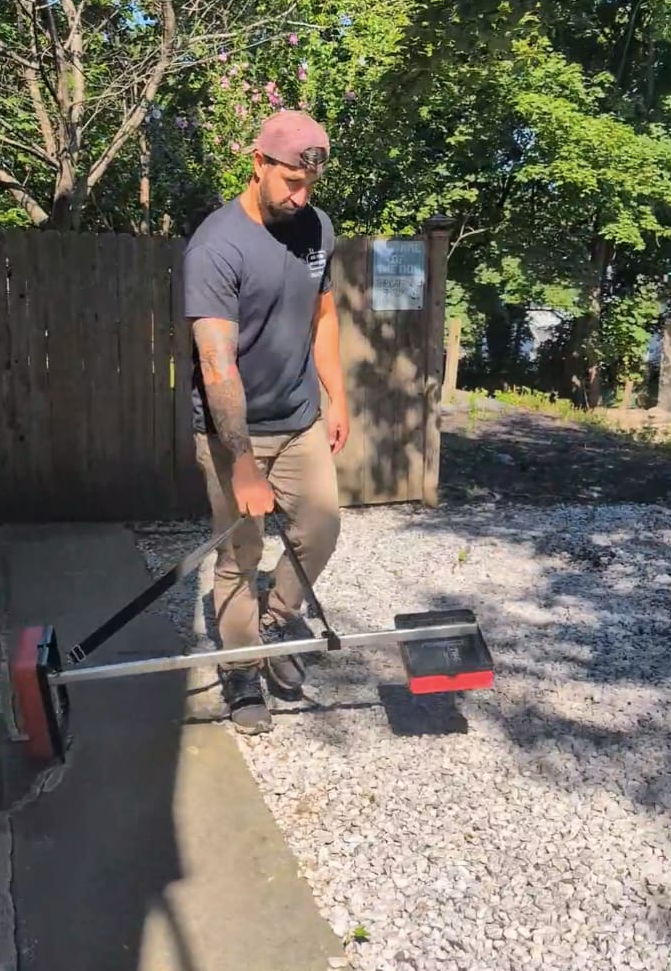
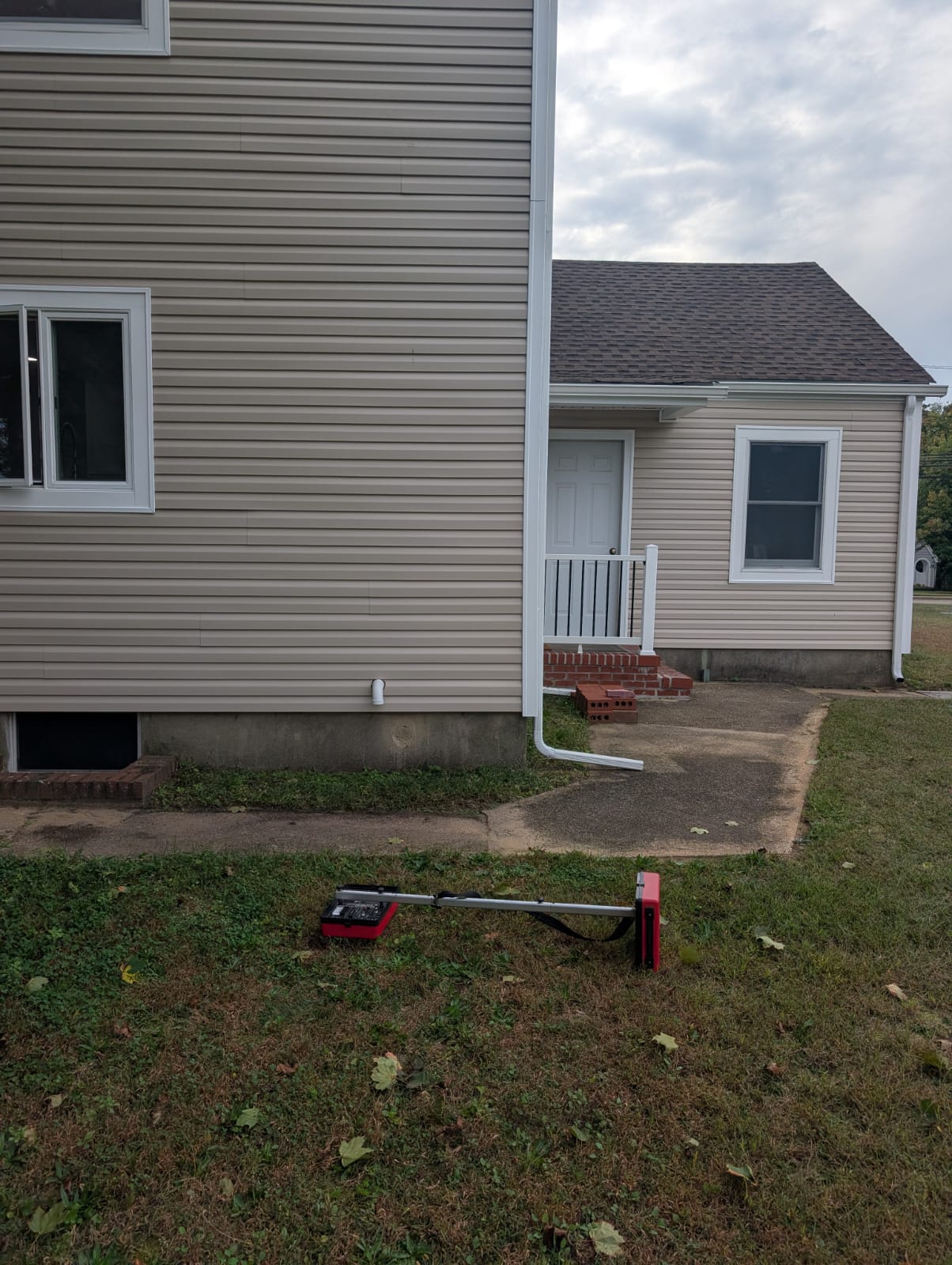
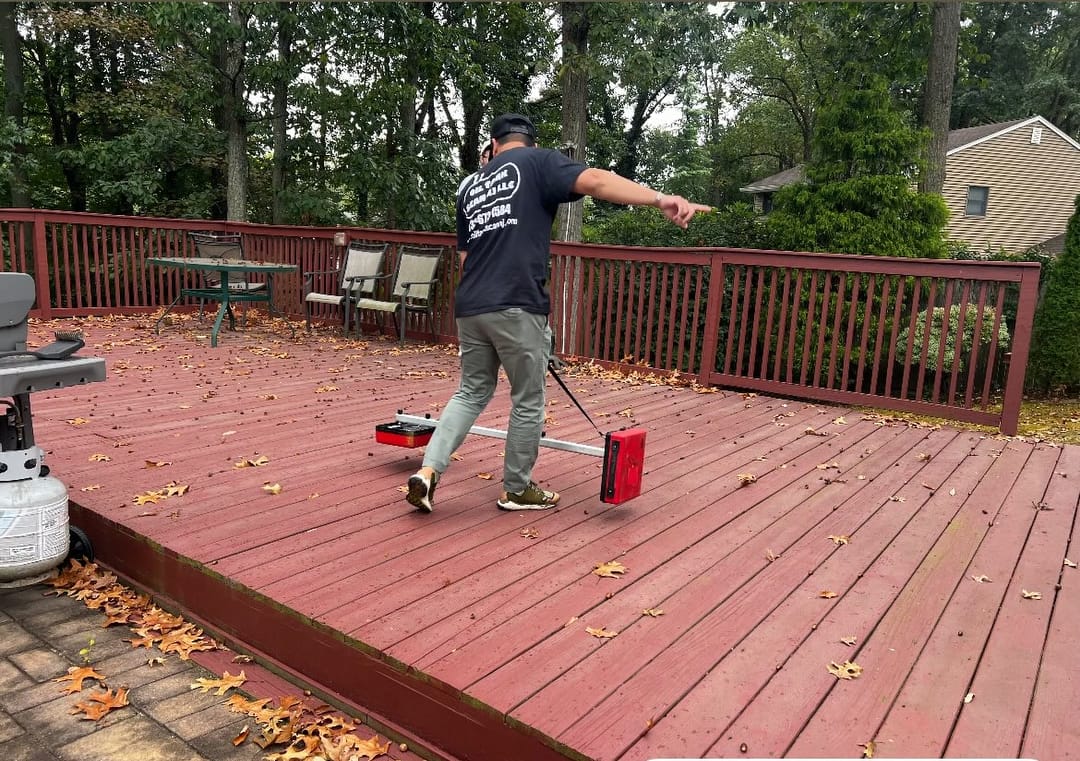
A buried object is not always a tank. A sweep and, if needed, an exploratory dig identify it before you spend anything on removal. Call Oil Tank Scan NJ at 732-673-1584.