Exploratory Dig vs. Full Excavation: Which One Is Right for Your Property?
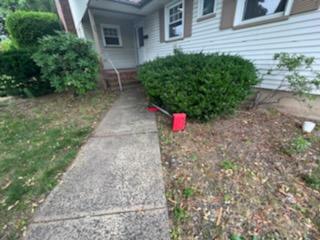
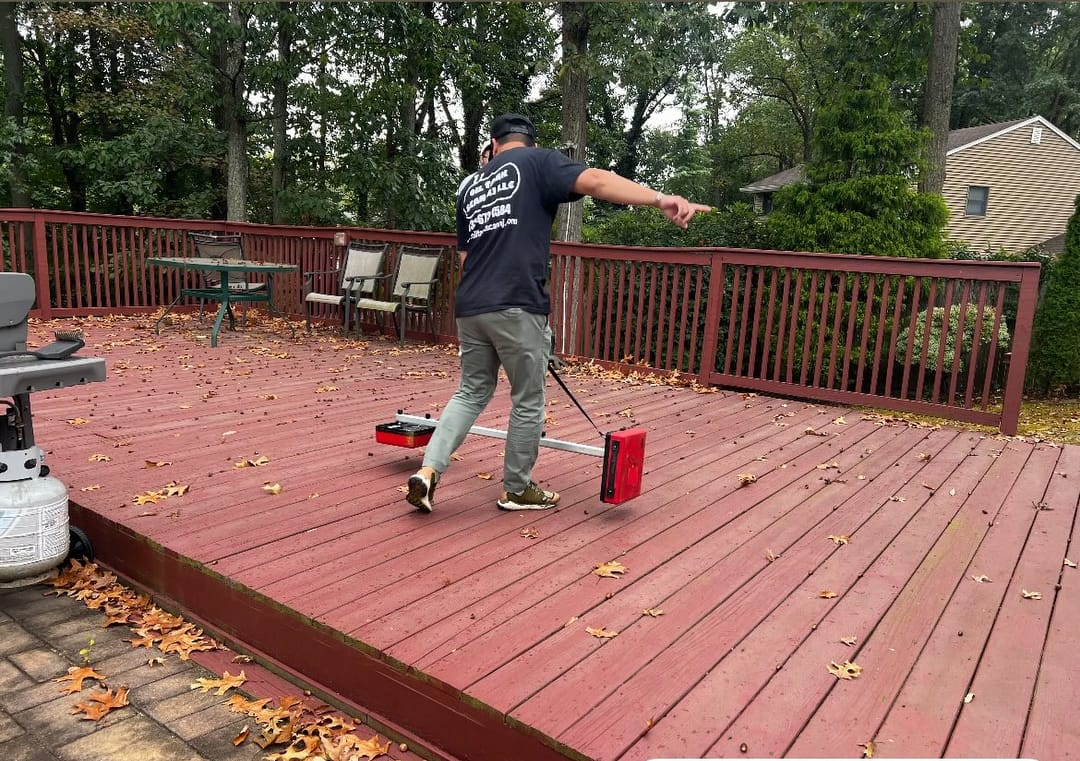
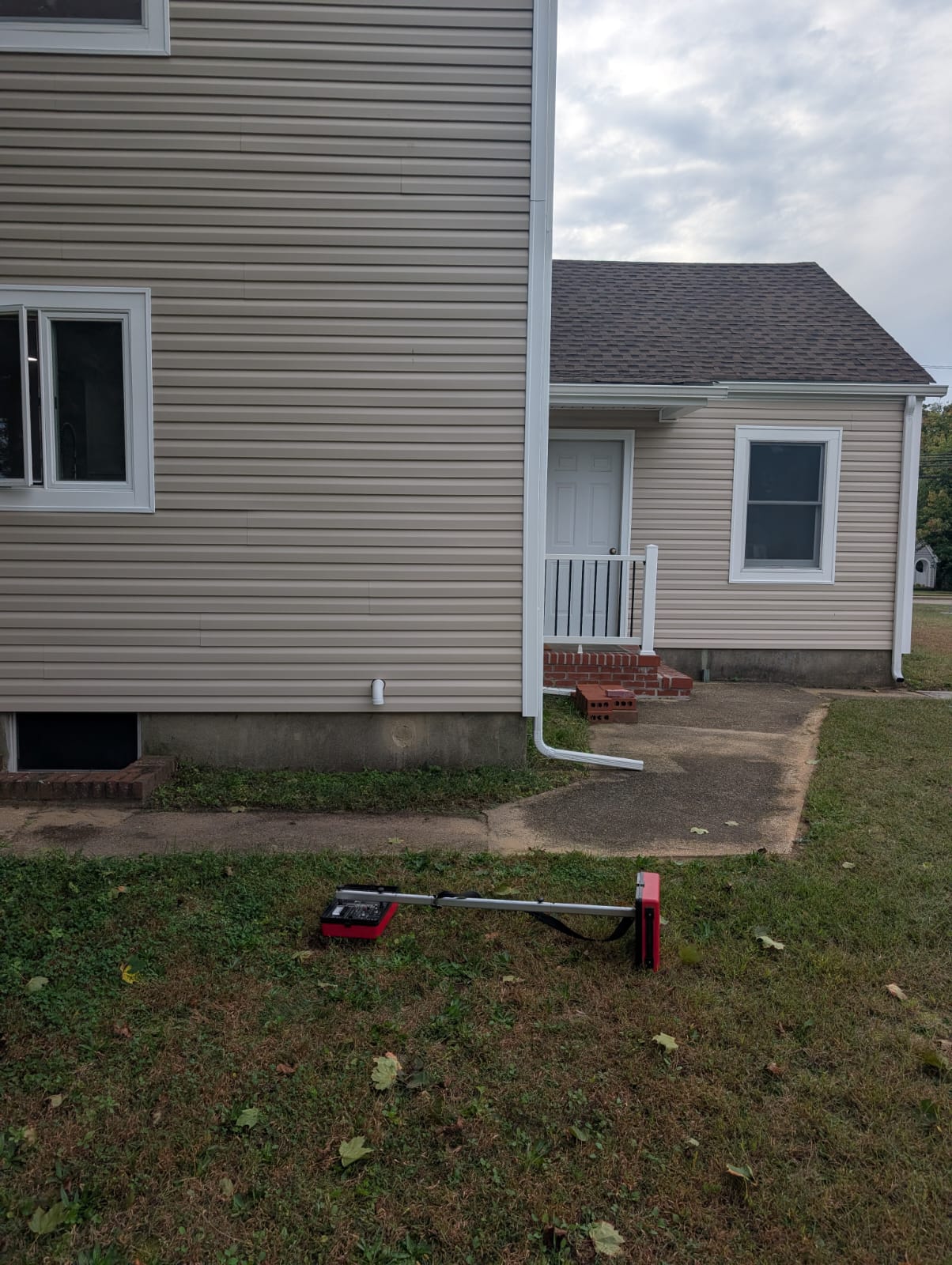
When an oil tank sweep detects a potential underground oil tank, homeowners often face the decision of whether to proceed with a full excavation or a more focused exploratory dig. Both options come with their own sets of advantages and disadvantages, and understanding the differences between them can help you make a more informed choice for your property.
What is an Exploratory Dig?
An exploratory dig is a small, targeted excavation performed to confirm the presence of an underground oil tank. After a professional oil tank sweep identifies an anomaly, such as an unusual metal signature or density change an exploratory dig is used to physically expose the tank and verify whether it is indeed an oil tank.
Exploratory digs are generally done in cases where the presence of the tank is suspected but not fully confirmed. The excavation is minimal, aiming to expose only the tank and a small area around it.
What is a Full Excavation?
A full excavation involves digging up a larger portion of the property to locate, confirm, and remove an underground oil tank. This process often involves excavating a significant area of the yard, depending on the size of the suspected tank. It’s a more comprehensive approach to handling underground tanks and is typically required if the exploratory dig reveals an issue or if multiple tanks need to be removed.
Comparing Exploratory Dig and Full Excavation
1. Cost-Effectiveness
Exploratory Dig: An exploratory dig is less expensive than a full excavation because it involves a smaller area of excavation. It’s a targeted, non-invasive process designed to confirm the location of a tank without major disruption to the property.
Full Excavation: A full excavation can be costly because it requires digging up a larger portion of the property. The excavation also involves additional steps such as tank removal, soil disposal, and restoration of landscaping.
2. Property Disruption
Exploratory Dig: The main advantage of an exploratory dig is that it causes minimal disruption to your property. Since the goal is to dig only a small, specific area, your landscaping, driveway, and other structures are left mostly undisturbed. It’s an efficient, focused solution that only addresses the immediate issue.
Full Excavation: Full excavation is far more disruptive. It involves digging up large areas, which can damage landscaping, hardscape, and even foundational structures. After excavation, significant restoration work may be needed to repair the property.
3. Speed of Completion
Exploratory Dig: Since it targets a small, specific area, an exploratory dig is typically completed much faster than a full excavation. The process can usually be done in one to two days, depending on the size and complexity of the suspected tank.
Full Excavation: Full excavations can take longer due to the extensive digging and removal of the tank. The process can take several days, and additional time may be required for tank removal and remediation.
4. Environmental and Legal Concerns
Exploratory Dig: An exploratory dig is ideal for identifying small issues before they escalate into larger environmental problems. It provides a quick and affordable way to address contamination risks before they escalate.
Full Excavation: In some cases, a full excavation may be necessary if the tank is leaking, severely corroded, or if multiple tanks need to be removed. Although it’s a more invasive approach, it ensures that environmental concerns are fully addressed, and the tank is properly removed and disposed of.
5. Future Property Value and Saleability
Exploratory Dig: By identifying and confirming the presence of an underground tank, an exploratory dig helps protect your property’s value. If an oil tank is located and removed early, it can make your property more appealing to future buyers.
Full Excavation: A full excavation addresses all possible issues with underground oil tanks, making the property more attractive for sale. Properties with no hidden liabilities are often valued higher, making full excavation worthwhile in some cases.
Which Option Is Right for Your Property?
The decision between an exploratory dig and a full excavation ultimately depends on the findings of your oil tank sweep and the condition of your property.
a) Choose an Exploratory Dig if you suspect the presence of an oil tank but want a cost-effective, non-invasive solution to confirm its location. It’s ideal for homes where the tank is not leaking, and the issue appears to be small and localized.
b) Choose a Full Excavation if the exploratory dig confirms a large, old tank that may be leaking or if multiple tanks are suspected. Full excavation is necessary for thorough remediation, tank removal, and property restoration.
Conclusion
An oil tank sweep combined with an exploratory dig is the best way to address potential underground oil tank concerns in your New Jersey home. An exploratory dig can save you money by confirming the presence of a tank before it turns into a larger issue. In some cases, however, a full excavation may be required for complete peace of mind. By working with a certified professional like Oil Tank Scan NJ LLC, you can make an informed decision for your property.