Home Inspection vs. Oil Tank Sweep: What Is the Difference?
Many buyers assume the home inspection covers everything. It does not, and the oil tank is a good example.
What a home inspection does
A general home inspection is a visual review of the visible and accessible parts of a house: roof, structure, plumbing, electrical, heating and so on. It can point out clues, for example an old oil line in the basement or a vent pipe outside. It does not normally include searching the ground for buried objects.
What a sweep does
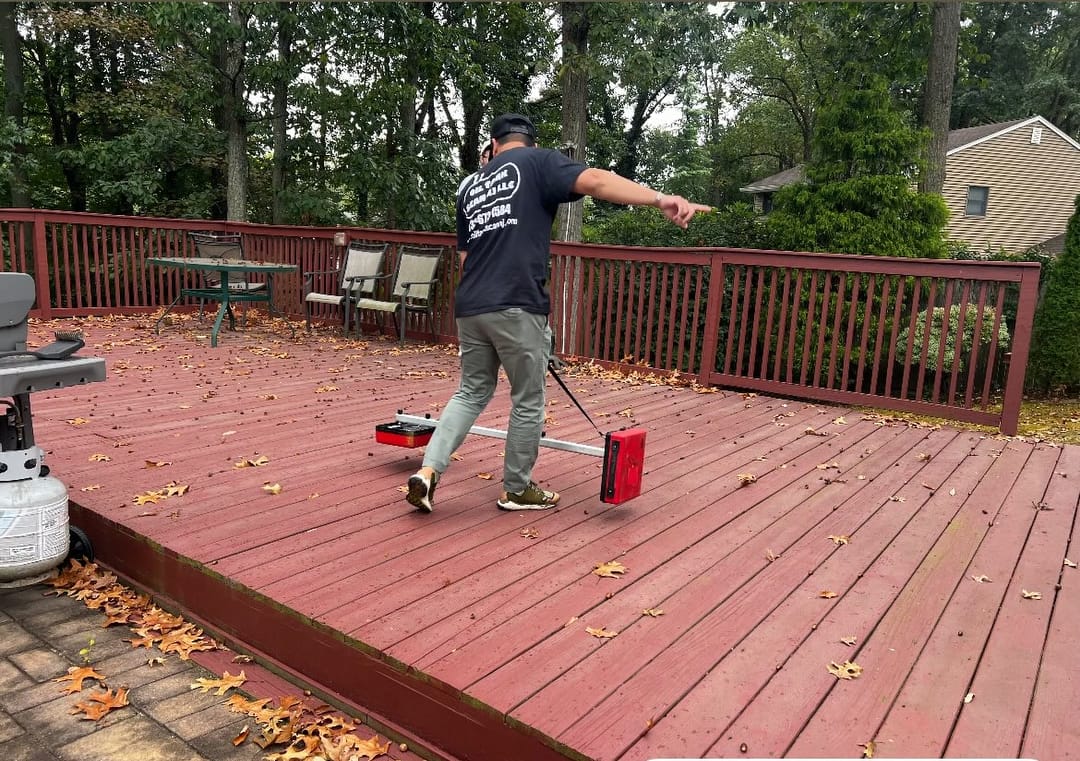
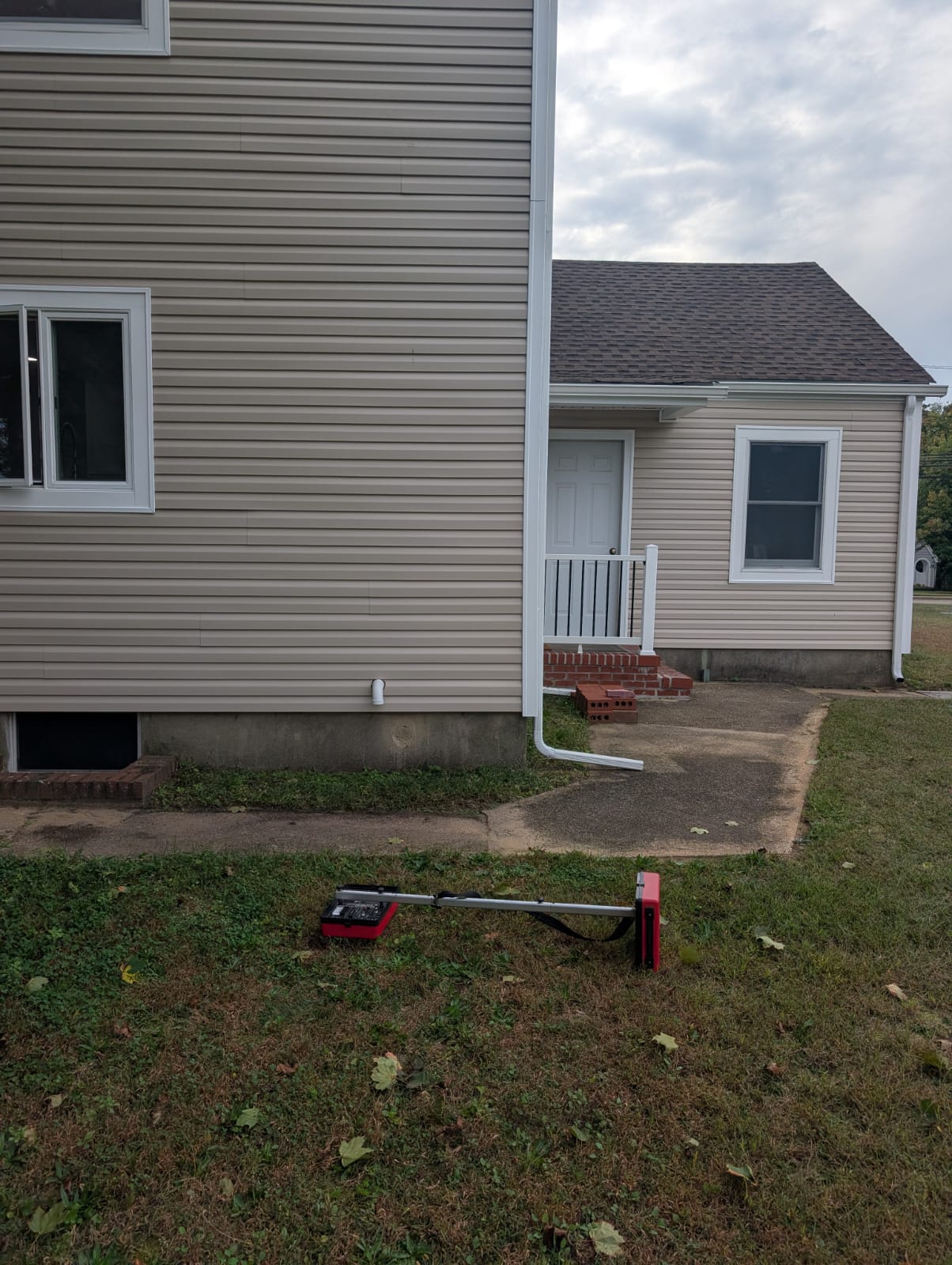
A sweep uses metal detection and, where appropriate, ground penetrating radar to search the property for a buried tank. It is a specialist service, usually ordered separately.
How they work together
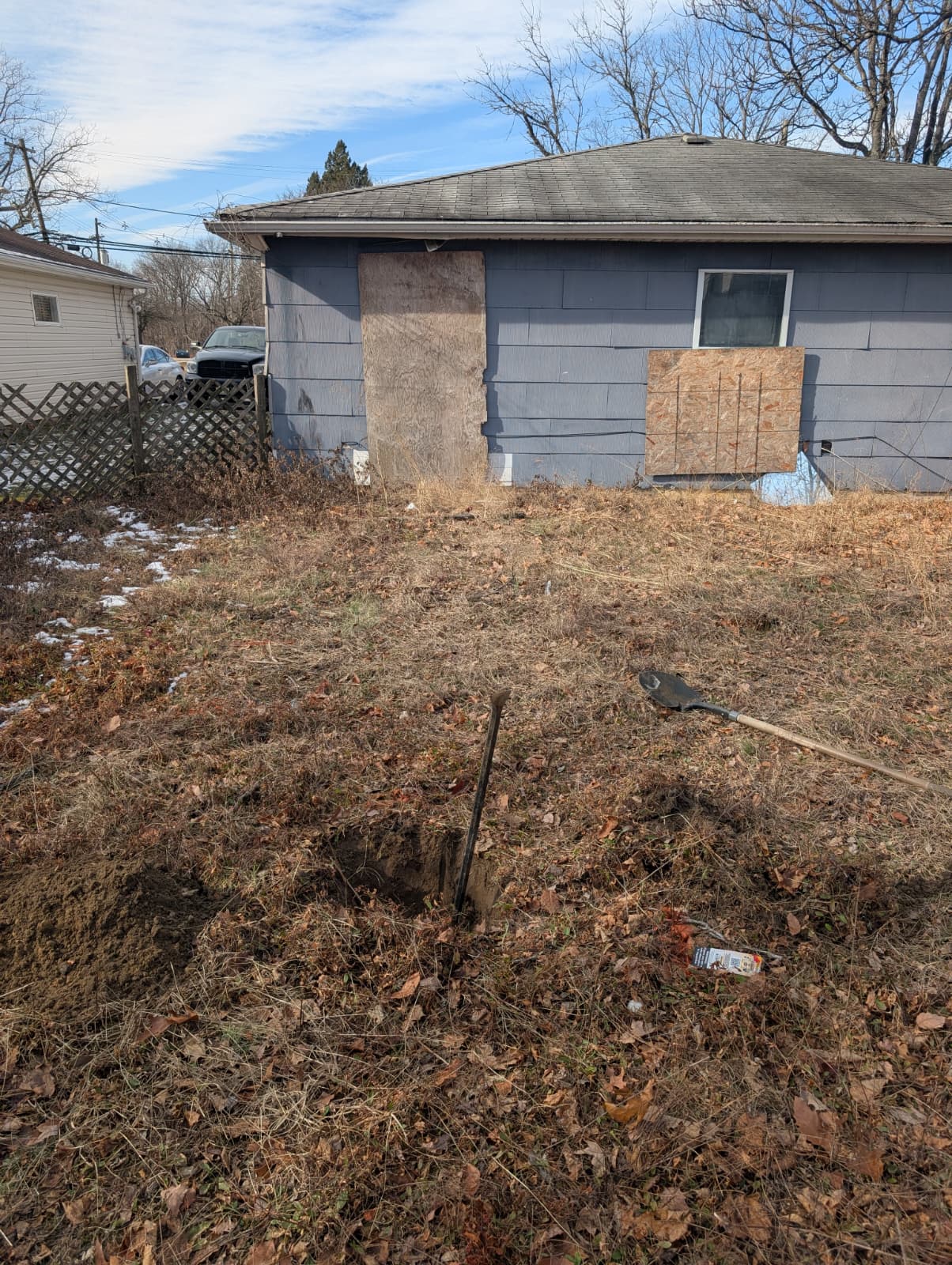
The inspector may flag a clue. The sweep answers the question. If the sweep finds an unclear signal, an exploratory dig identifies it.
What the state says buyers should do
The New Jersey Division of Consumer Affairs’ instruction sheet for the seller’s disclosure statement cautions buyers to inspect the property carefully, and says the statement is not a substitute for hiring qualified experts. That applies to an oil tank as much as to a roof.
Who should decide
Your attorney and agent know the contract timelines. Ask early whether the house was ever heated with oil and whether any tank records exist. See Buying an Older NJ Home: An Oil Tank Checklist.
For home inspectors
Many inspectors tell buyers that their inspection does not cover buried tanks, and recommend a sweep when the heating history is unclear. We work with inspectors across New Jersey. Learn more on our real estate agent page.
A simple rule
If the house is old enough to have been heated with oil and nobody can show you what happened to the tank, order the sweep.
Call Oil Tank Scan NJ at 732-673-1584 or book online.