How to Prepare Your Property for an Oil Tank Sweep
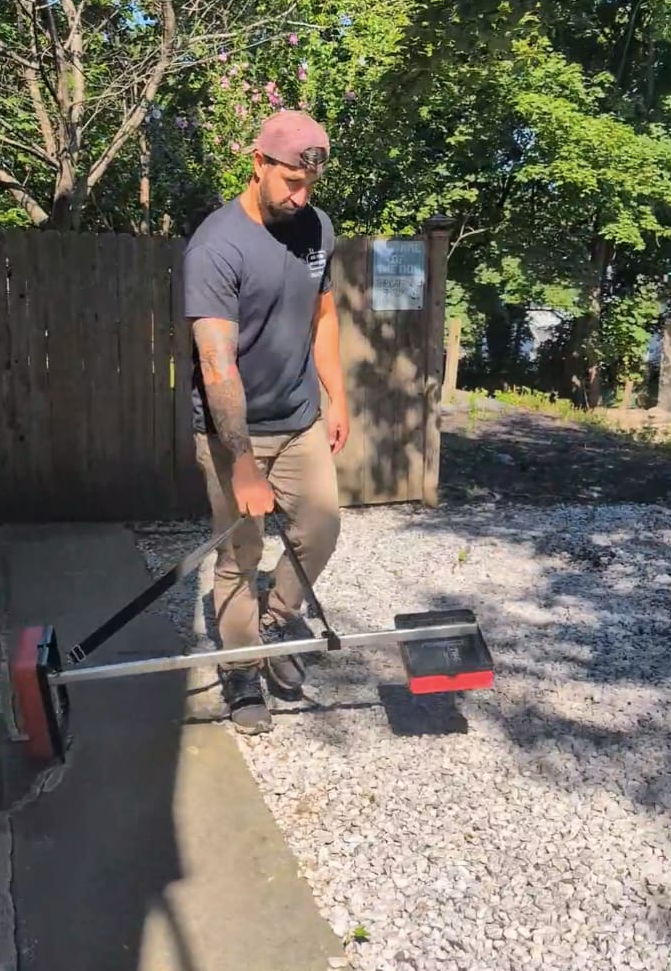
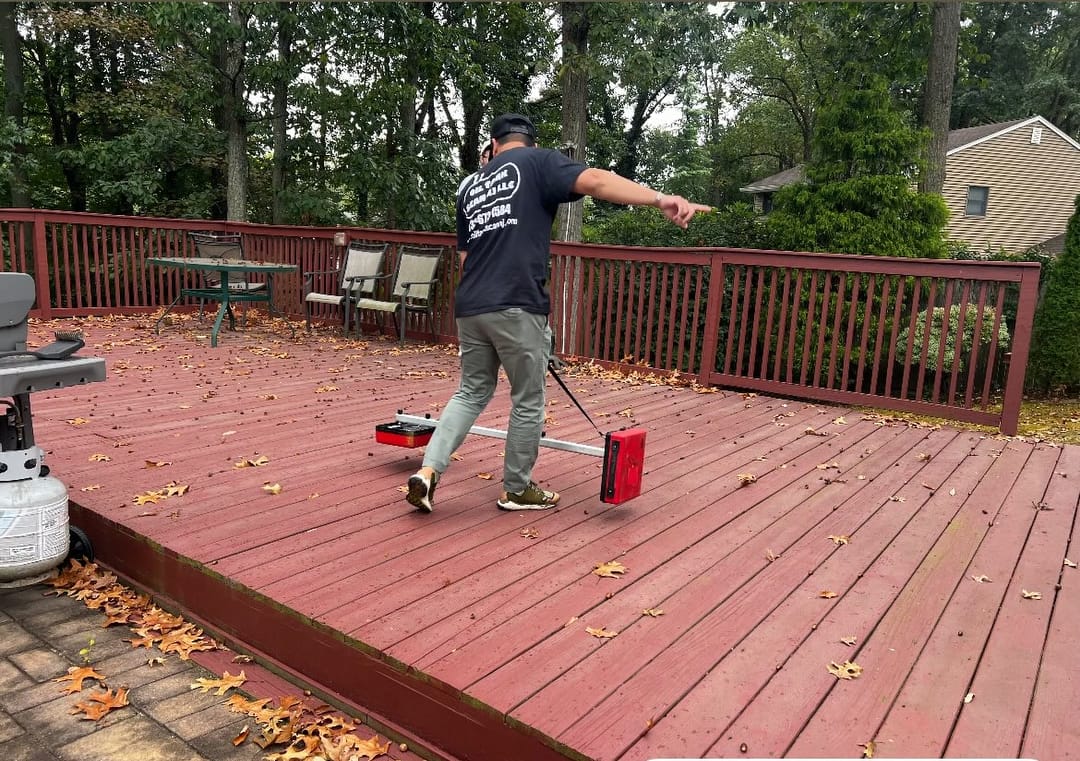
You do not have to do much for a sweep, but a few things help the technician see more of the property and find tanks more reliably.
Clear the way
- Move vehicles off driveways and out of the areas to be searched.
- Unlock gates and tell the crew about dogs.
- Trim brush and move debris from areas near the house, especially along foundations.
- Move loose items such as furniture, toys, bins and firewood.
Metal and obstacles interfere with equipment and block access, and thick brush can mean part of the yard is not searched at all. See Can an Oil Tank Sweep Miss a Tank?.
Give the technician your history
- When the house was built and how it was heated.
- Whether you have seen an oil burner, oil lines, or a vent or fill pipe.
- Old surveys, plot plans or inspection reports.
- Anything you or neighbors have found when digging.
Tell them what is underground
If you know where buried things are, say so: septic system, drain lines, sprinkler lines, invisible fences, cables, a well, a former swimming pool, an old shed. Equipment responds to all of them, and knowing what they are makes results easier to read. For any digging, New Jersey generally requires a call to 811 first.
Basement access
Make sure the technician can enter the basement and the utility area. Old capped lines inside are important clues. See clues that a property may have a buried oil tank.
If you are a buyer or an agent
Coordinate with the seller for access, and arrange the visit early in the inspection period. See Buying an Older NJ Home: An Oil Tank Checklist.
You do not need to be there
Many owners are not present, but being available by phone helps if a question comes up.
After the visit
Expect a written report. See What Should an Oil Tank Sweep Report Include?.
To schedule, call Oil Tank Scan NJ at 732-673-1584 or book online.