
Groundwater Testing After an Oil Tank Leak in NJ
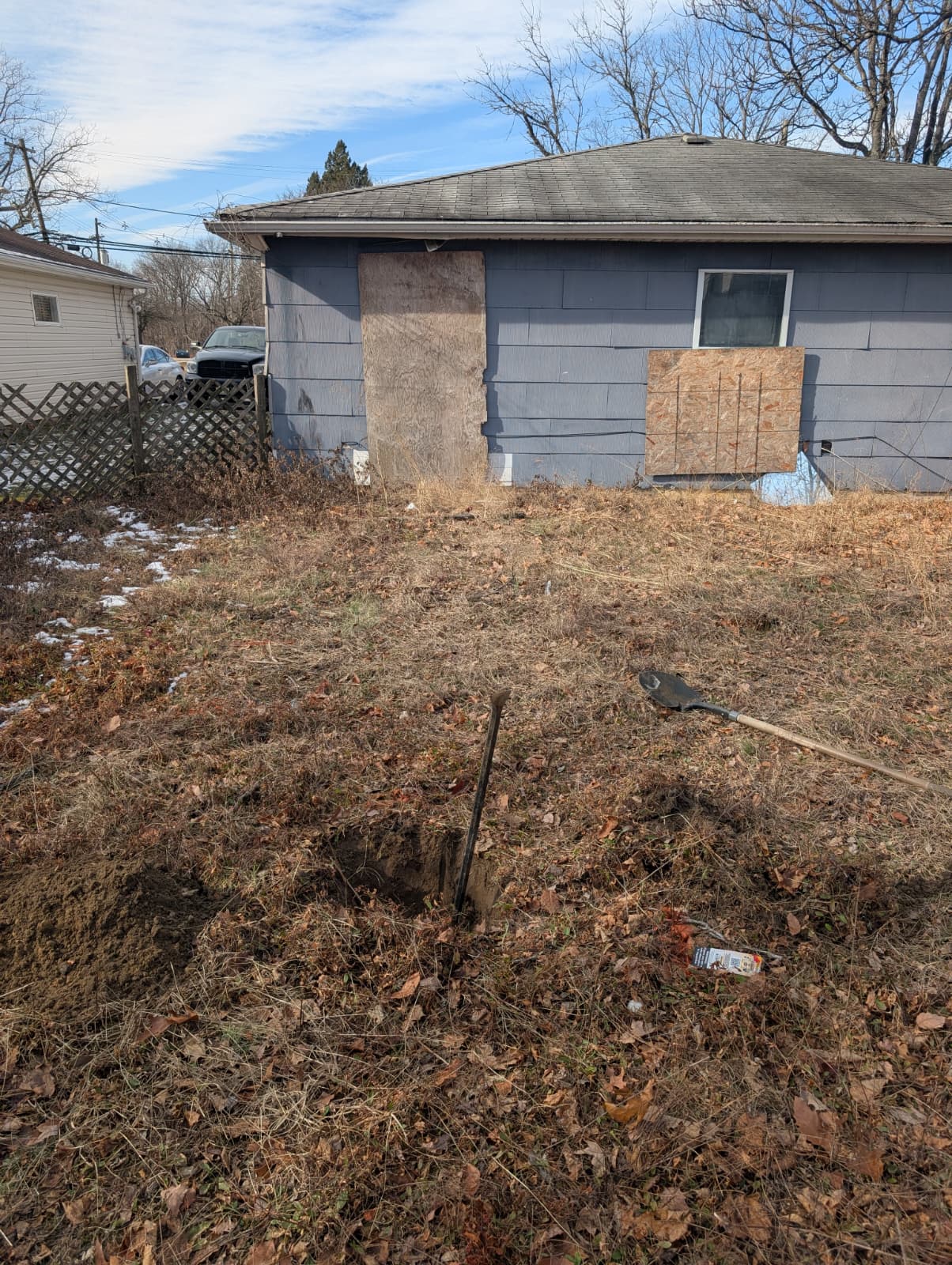
“My soil samples passed, so we are done” is a common assumption. Sometimes it is right. Sometimes the rules require one more investigation.
When groundwater has to be investigated
According to the NJDEP’s homeowner FAQ, the Heating Oil Tank System Remediation Rules, N.J.A.C. 7:26F, require a groundwater investigation when:
- any part of the heating oil tank system is in the seasonal high groundwater table, or
- any part of it is within two feet of groundwater or bedrock, or
- the excavation extends to within two feet of groundwater or bedrock.
So the depth of the tank and the depth of the water table or rock matter.
Why this surprises people
A contractor may tell you the soil samples came back below standards but that a groundwater sample is still needed. The NJDEP’s FAQ addresses this exact situation: if the conditions above apply, the contractor is correct.
Who does the work
Investigating and cleaning up a leaking tank requires a certified subsurface evaluator working for a firm certified in subsurface evaluation, or a Licensed Site Remediation Professional. A closure contractor can do cleanup work only if its firm also holds that certification.
Private wells
Among the signs of a problem the NJDEP lists are taste, odor or other issues with potable well water. If you have a well and any such sign appears, tell your environmental professional and read Signs Your Heating Oil Tank May Be Leaking.
Reporting
A discharge must be reported right away to the NJDEP hotline. See When to Call the NJ DEP Hotline About a Heating Oil Tank.
What it means for the time and cost of a job
More investigation generally takes more time. That is why it is worth asking early about the depth of the tank, the local groundwater and any bedrock before a contract is signed, and why the contract should say how extra work is handled. See What Should Be in an Oil Tank Removal Contract in NJ?.
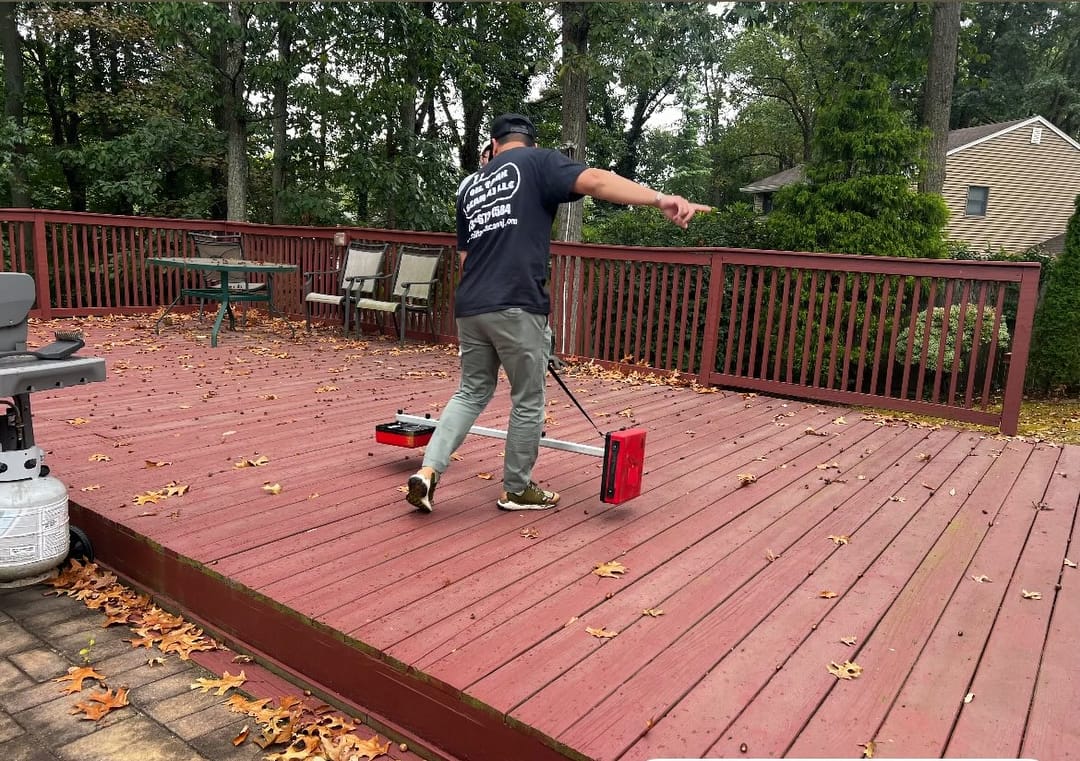
If you do not yet know whether a tank is there, a sweep is the first step. Oil Tank Scan NJ: 732-673-1584.