Soil Samples After an Oil Tank Removal: What Is Tested
If a tank is taken out and oil is found, the next step is sampling the soil. The state’s heating oil tank rules, N.J.A.C. 7:26F, set the basics, and the NJDEP explains them for homeowners.
How many samples
According to the NJDEP’s homeowner FAQ, for a discharge from an underground tank at least five soil samples must be collected, one from each sidewall and one from the base of the excavation, though the actual number depends on the size of the excavation. For a discharge from an above ground tank, at least two samples are required, again depending on the size of the excavation.
What is measured
The FAQ refers to extractable petroleum hydrocarbons, known as EPH, measured in milligrams per kilogram of soil.
The 1,000 mg/kg line
The NJDEP says that if the right number of samples was taken and all results are below 1,000 mg/kg EPH, no further remediation of soils is required. Results above that level mean more work, and your environmental professional will explain what the rules require next.
When soil cleanup is required
The department says soil remediation is required when there is a discharge. Signs of a discharge include visual and odor observations, field screening, or lab analysis showing contamination in the soil or groundwater under or near the tank.
Who does the sampling
For a leaking tank, the investigation and cleanup have to be done by a certified subsurface evaluator working for a firm certified in subsurface evaluation, or by a Licensed Site Remediation Professional. The NJDEP says the evaluator must be present when sampling or excavation takes place, although an LSRP can oversee and sign off on the work instead.
Groundwater is a separate question
Soil results can be fine and groundwater still needs to be checked in some situations. See Groundwater Testing After an Oil Tank Leak.
The paper at the end
When the cleanup meets the rules, the certified company prepares a Remedial Action Report, and the NJDEP can issue a No Further Action letter. See What Is a No Further Action Letter?.
The best case
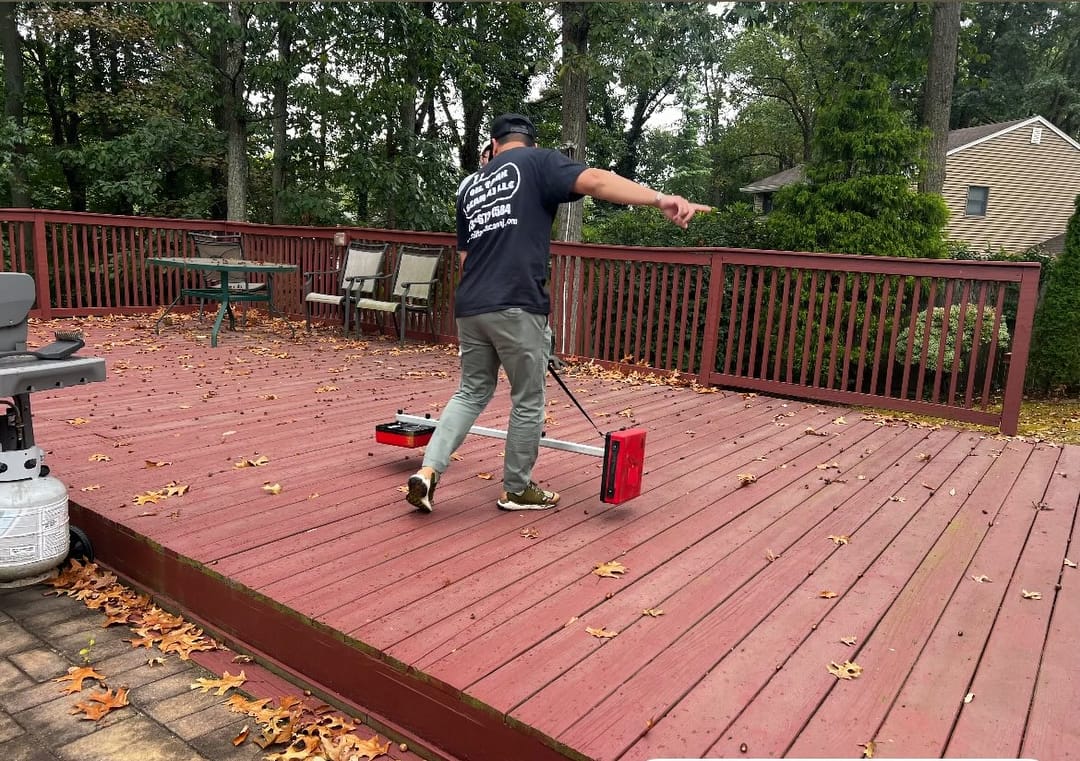
A tank removed with no sign of a discharge, and nothing more to do. Finding the tank early gives you the best chance of that. A sweep is the first step. Call Oil Tank Scan NJ at 732-673-1584.